
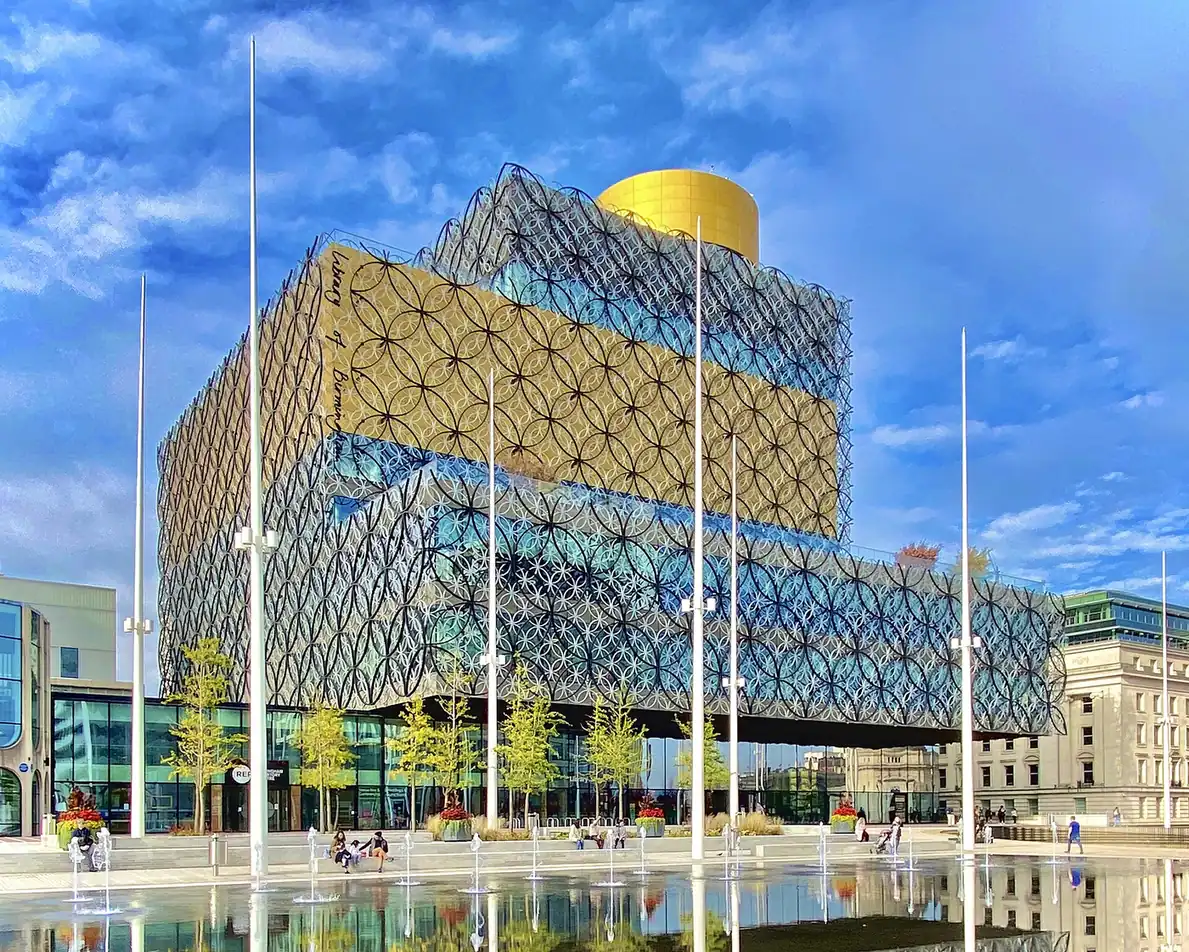
Birmingham · United Kingdom
Netherlands / PRACTICE PROFILE
Mecanoo
Architecture, interiors and landscape organised around people.
An approach to architecture
The Delft practice brings architecture, landscape, interiors and urban planning together. Its libraries and performing arts buildings make circulation and informal meeting places part of the institution’s public life.
LibrariesCulturalLandscape
Why this practice is in the selection
- Divisare identifies Mecanoo as an architectural practice and publishes its work, including Natural History Museum Abu Dhabi. Source 2026-10-03
Editorial selection based on documented contributions; this is not an objective global quality rank or a paid placement. Global 1000 project & selection method
Contact the practice
Public business routes published by the practice or credited professional source. GAD does not represent this practice.
- Public business contact+31 15 2798100Source · Checked 2026-10-03
- Public business contact+31152798100Source · Checked 2026-10-03
- Public business contactHanneke.Hollander@mecanoo.nlSource · Checked 2026-10-03
- Public business contactpr@mecanoo.nlSource · Checked 2026-10-03
- Public business contact+31 6 81238449Source · Checked 2026-10-03
Representative works · source references
Read the original project record for photographs, credits and full details. These references are separate from GAD’s project studies.
- Natural History Museum Abu Dhabi Listed as a work of this architectural practice in Divisare; full credits at sourceAttribution source · 2026-10-03
- Macaron - Modular Sofa System Listed as a work of this architectural practice in Divisare; full credits at sourceAttribution source · 2026-10-03
- De Nederlandsche Bank Listed as a work of this architectural practice in Divisare; full credits at sourceAttribution source · 2026-10-03
SELECTED IN THE INDEX
Representative projects
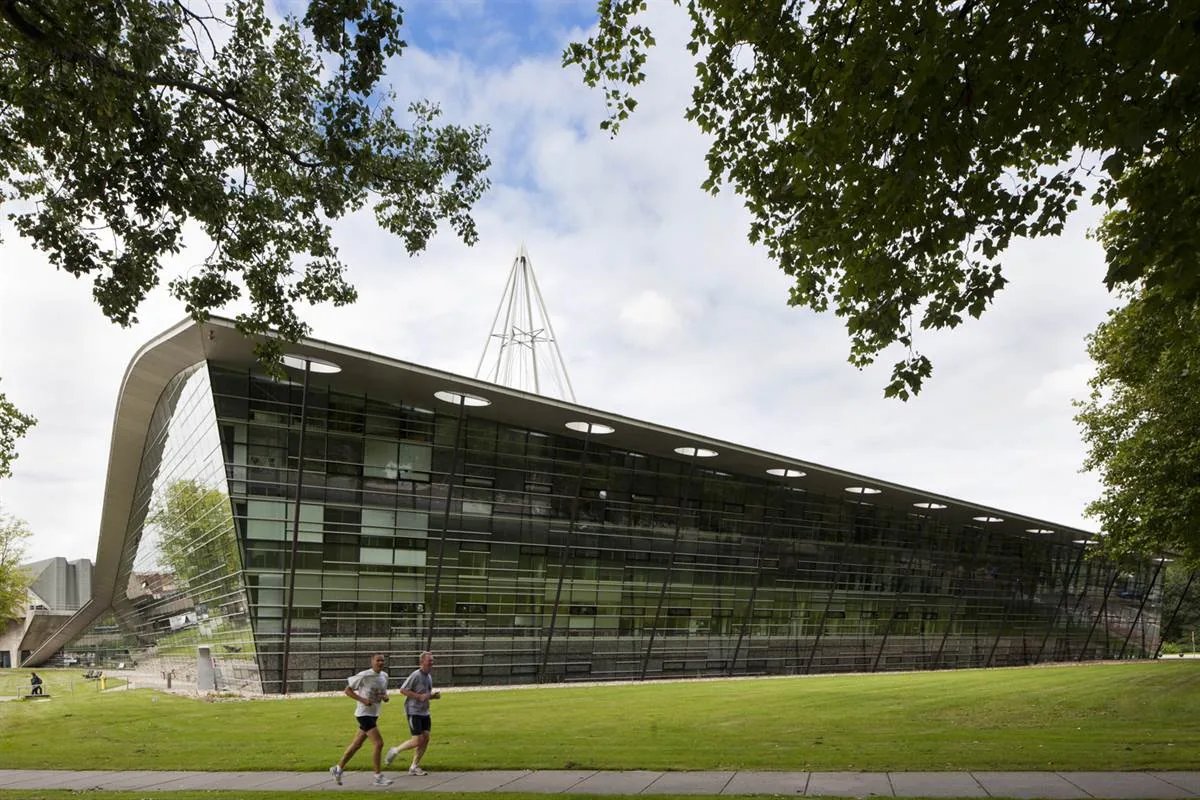
Delft · Netherlands
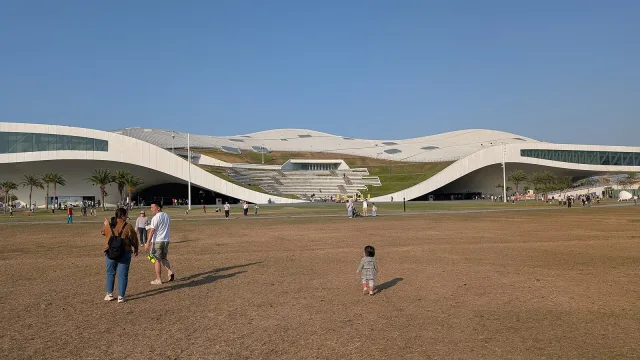
Kaohsiung · Taiwan
GAD / DESIGN STUDY
Mecanoo and the library as a sequence of shared places
English study · Chinese summary · · Study dated 2026-10-02
Starting with people and place
Mecanoo was founded in Delft in 1984 and works across architecture, interiors, landscape and urban planning. Its stated design philosophy links users' needs with physical and cultural context, changing functions and sensory experience. Libraries make those concerns particularly tangible because they must accommodate both concentrated individual work and collective activity. TU Delft Library and the Library of Birmingham show different ways to organise that range. The most useful comparison begins with the approach and the route through each building, rather than with a search for a repeated exterior style. Official practice profile.
A campus landscape becomes a roof
At TU Delft, the library sits beneath a raised lawn facing the university's concrete auditorium. A cone passes through the roof and brings daylight into the interior, where it also helps organise reading spaces. The project account describes further changes to learning and office areas after the original construction. That continuing involvement matters: a library's relationship with study habits and technology does not end on opening day. Read as a section, the building combines an outdoor campus surface with the more sheltered conditions of a large shared interior. Its clear geometry provides a useful framework for studying later adaptation. Official TU Delft account.
A city library with several destinations
The Library of Birmingham, realised in 2013, combines library facilities with a relationship to the adjacent Repertory Theatre, including a shared auditorium. Overlapping rotundas organise movement through the building; roof terraces and a sunken courtyard introduce different kinds of outdoor space. The historic Shakespeare Memorial Room is incorporated at roof level. These elements give a visit several possible destinations and scales, from a reading place to a city view. The project can therefore be examined as a vertical sequence of places, with circulation doing more than delivering users to an assigned floor. Official Birmingham account.
What the comparison reveals
The two libraries suggest that shared identity need not depend on a single undivided room. A campus lawn, a reading level, a terrace and a specialised historic interior can each offer a distinct way to participate in an institution. This is an editorial reading of the spatial organisation, not evidence that every group experiences the buildings equally. A fuller assessment would examine acoustic separation, orientation, staffing and the availability of quiet and social settings at busy times. Those practical questions help connect Mecanoo's stated attention to people with the everyday experience of learning in public, while leaving room for user evidence to challenge the architectural account.
Explore the GAD index
Continue with the GAD project record for Library of Birmingham.