Explore 594 illustrated award cases: actual buildings and architectural honours, with the programme, year and official evidence stated separately.
Built-project awards and career honours recognise different subjects. Award year, building completion and photography date are distinct; a personal honour does not transfer to every building by its recipient. Photographs open at a larger size with creator and licence references.
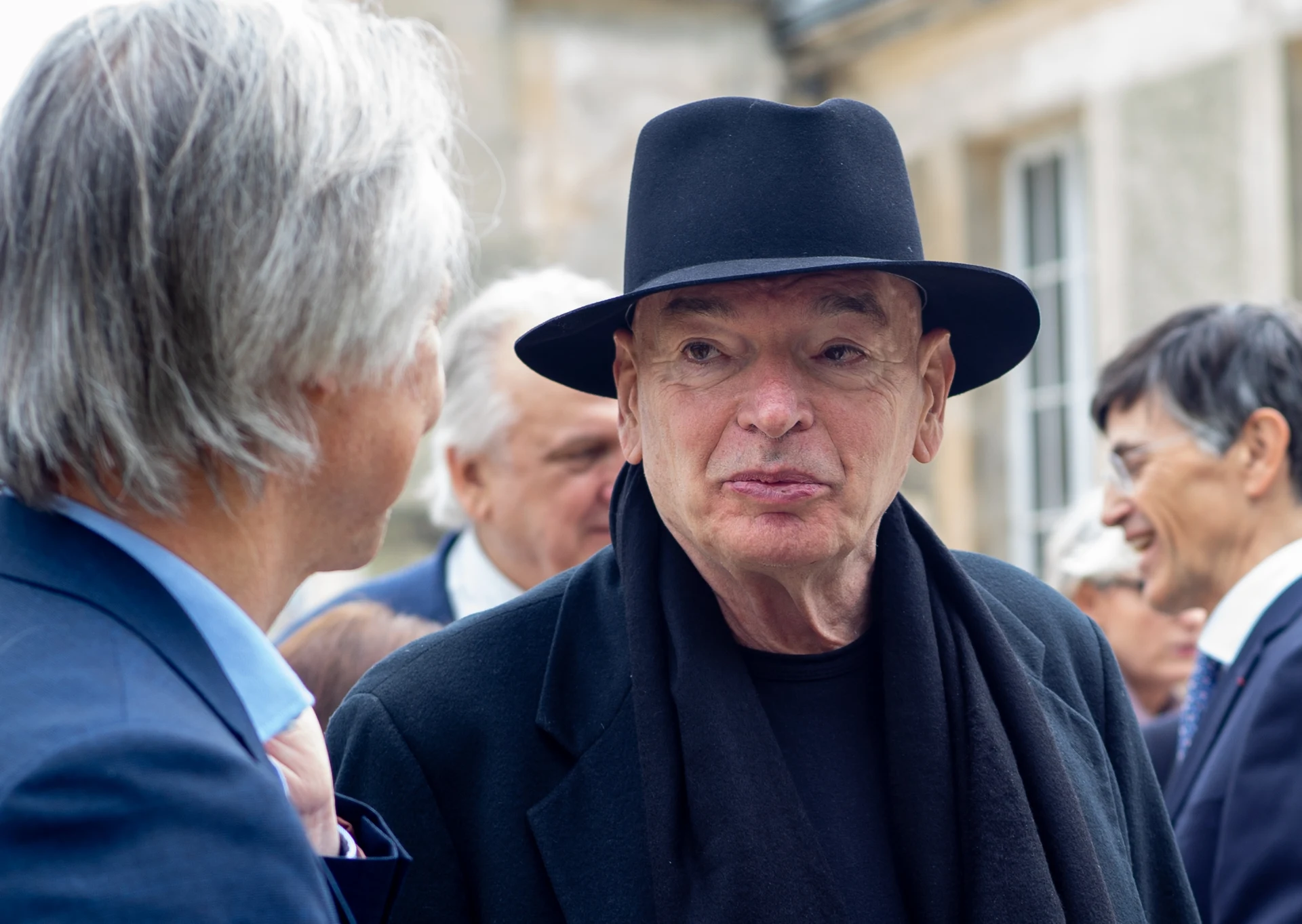
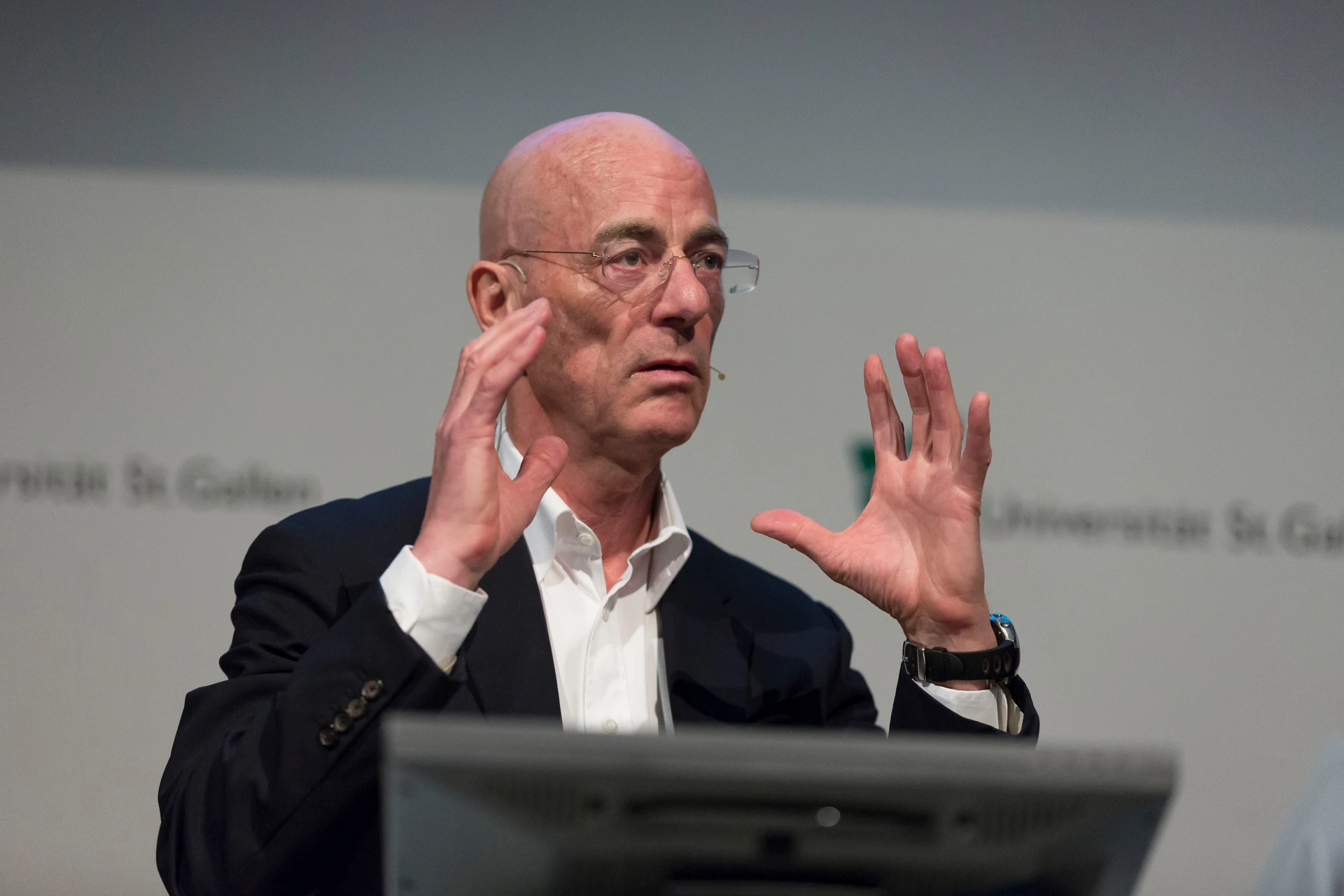
The 2001 Pritzker Architecture Prize recipient record names Jacques Herzog and Pierre de Meuron. Pierre de Meuron established Herzog & de Meuron with Jacques Herzog in Basel in 1978 after studying at ETH Zürich. Their shared career encompasses architecture, teaching and collaboration with artists. The Pritzker biography connects the practice's early buildings and storage projects with later work including Tate Modern and museums.
Jacques Herzog, one of the joint recipients of 2001 Pritzker Architecture Prize. This is a portrait, not a photograph of the award ceremony.
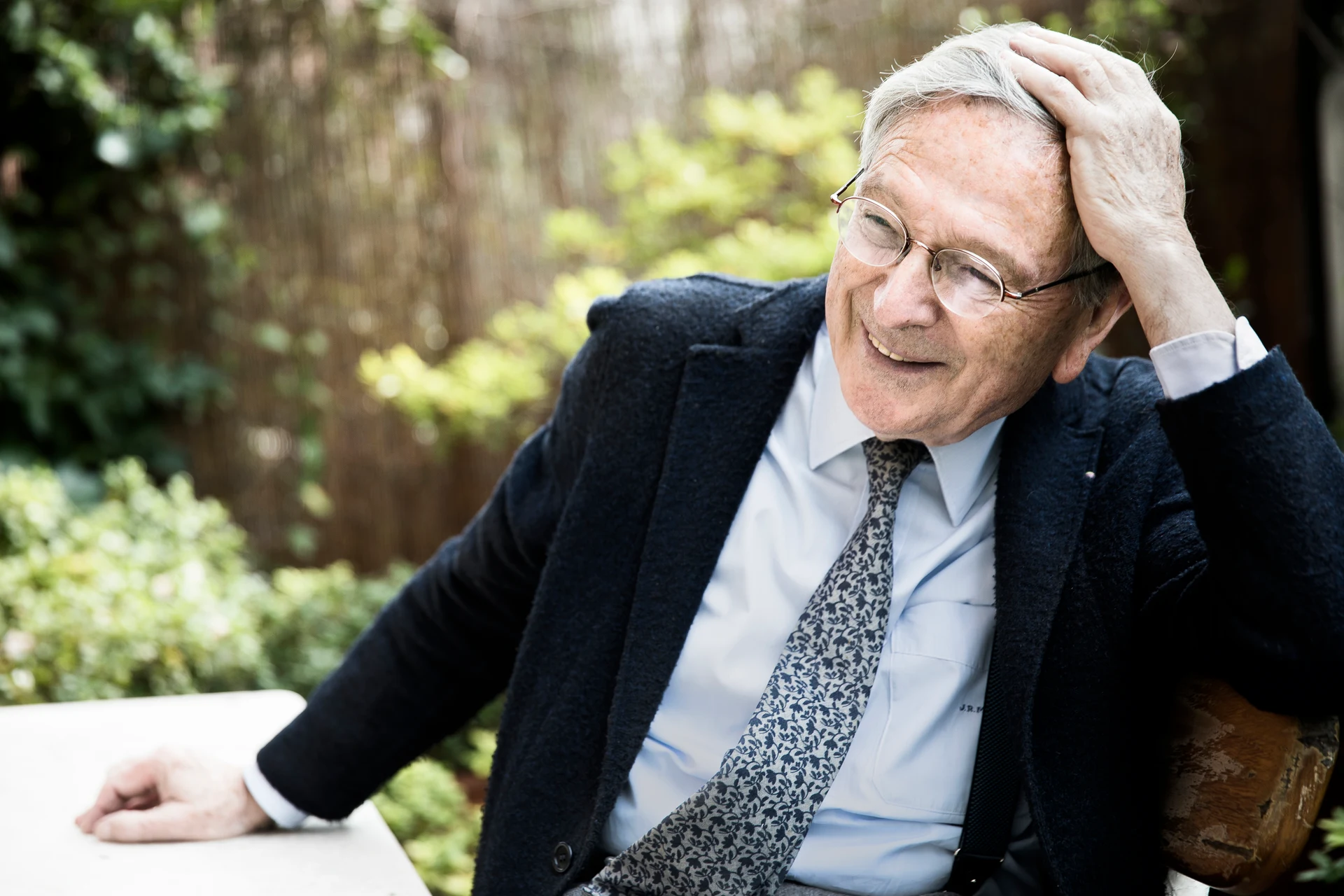
Jean Nouvel received the 2001 RIBA Royal Gold Medal. The honour recognises sustained influence on architecture across a body of work. This entry records a career distinction; its photograph identifies a recipient rather than an award-winning building.
Portrait photograph of Jean Nouvel; this image does not depict an award-winning building or establish the date of the award ceremony.
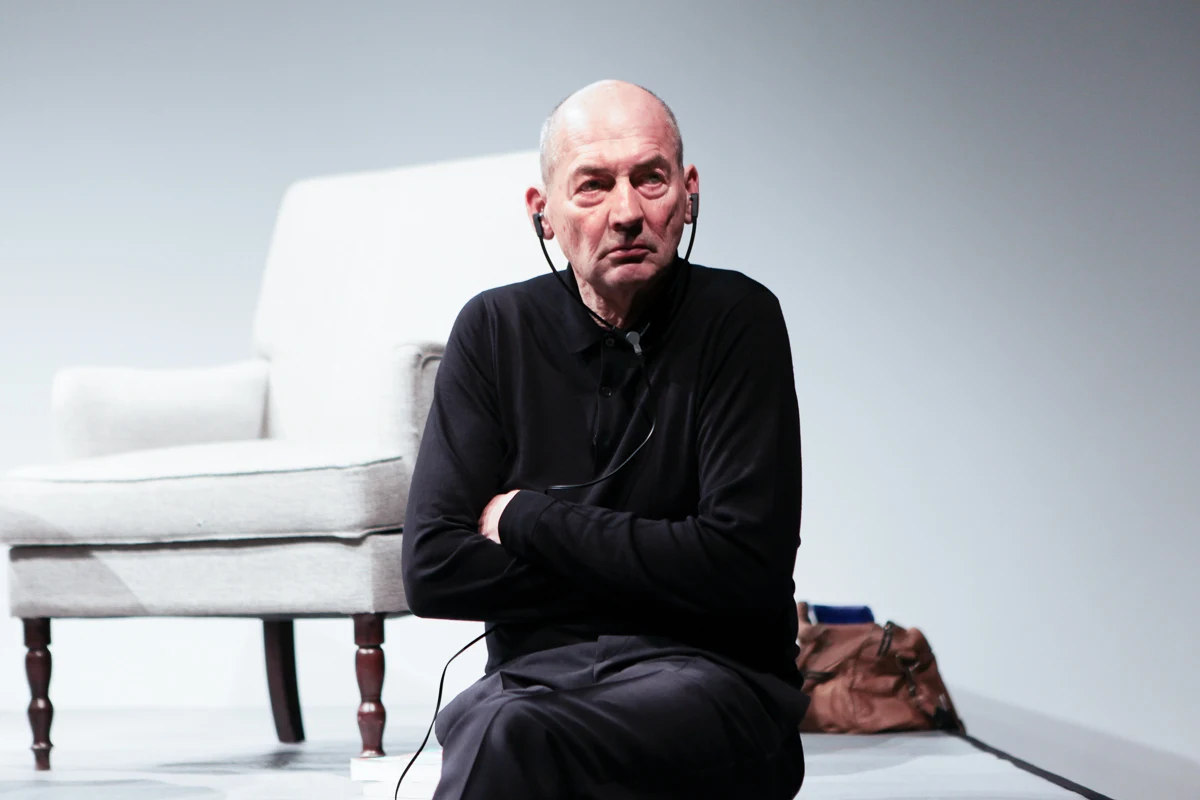
The 2000 Pritzker Architecture Prize recipient record names Rem Koolhaas. Koolhaas co-founded OMA in 1975 with Madelon Vriesendorp, Elia Zenghelis and Zoe Zenghelis. His career connects architectural design with writing and research into metropolitan life. He received the Pritzker Architecture Prize in 2000.
Rem Koolhaas, recipient of 2000 Pritzker Architecture Prize. This is a portrait, not a photograph of the award ceremony.
Frank Gehry received the 2000 RIBA Royal Gold Medal. The honour recognises sustained influence on architecture across a body of work. This entry records a career distinction; its photograph identifies a recipient rather than an award-winning building.
Portrait photograph of Frank Gehry; this image does not depict an award-winning building or establish the date of the award ceremony.
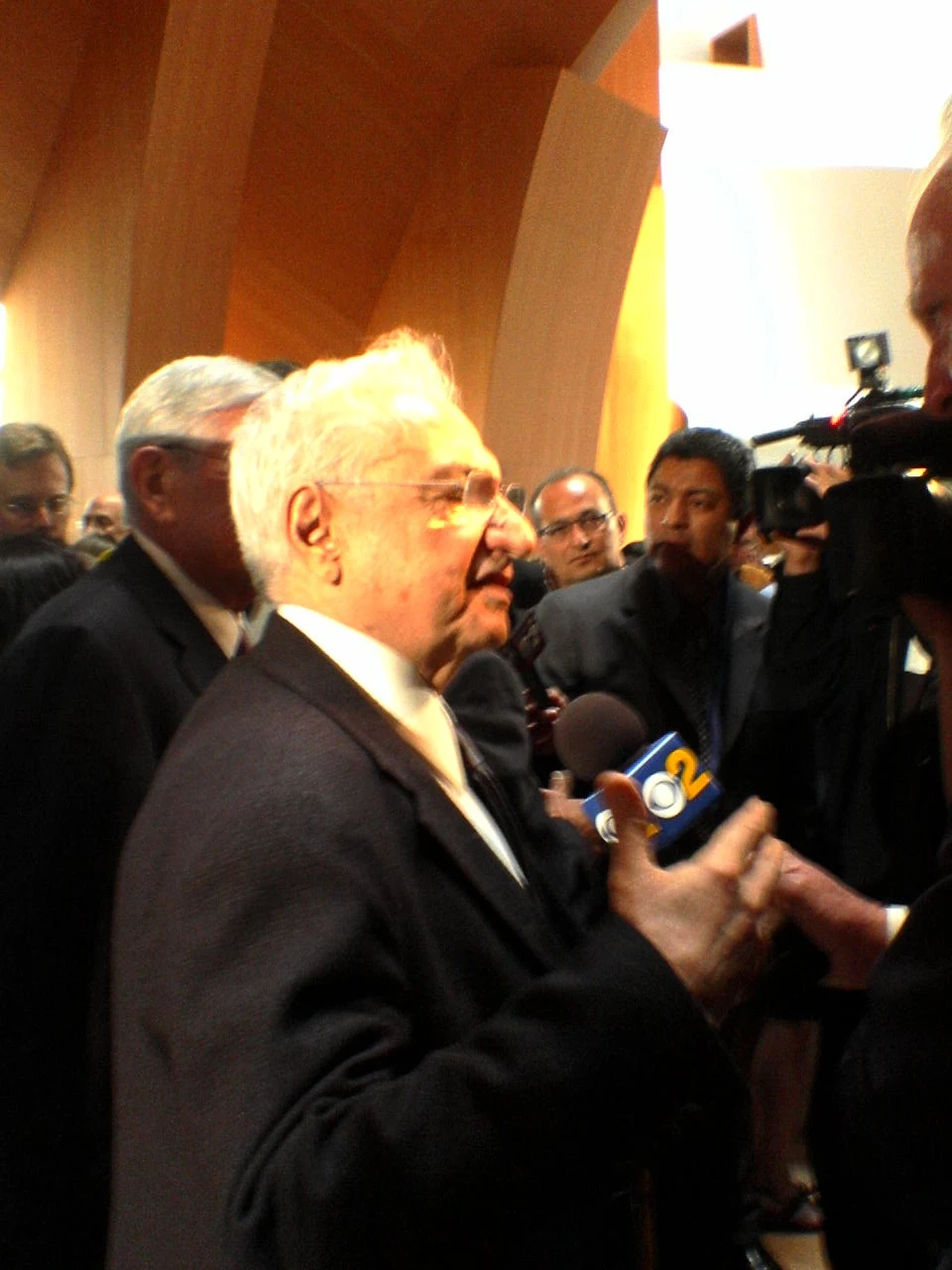
The 1999 AIA Gold Medal recipient record names Frank Gehry, FAIA. Gehry’s body of work ranges from the transformation of everyday buildings in Los Angeles to major museums and concert venues. His 1989 Pritzker record documents an experimental practice rooted in making and the expressive possibilities of ordinary materials.
Frank Gehry, recipient of 1999 AIA Gold Medal. This is a portrait, not a photograph of the award ceremony.
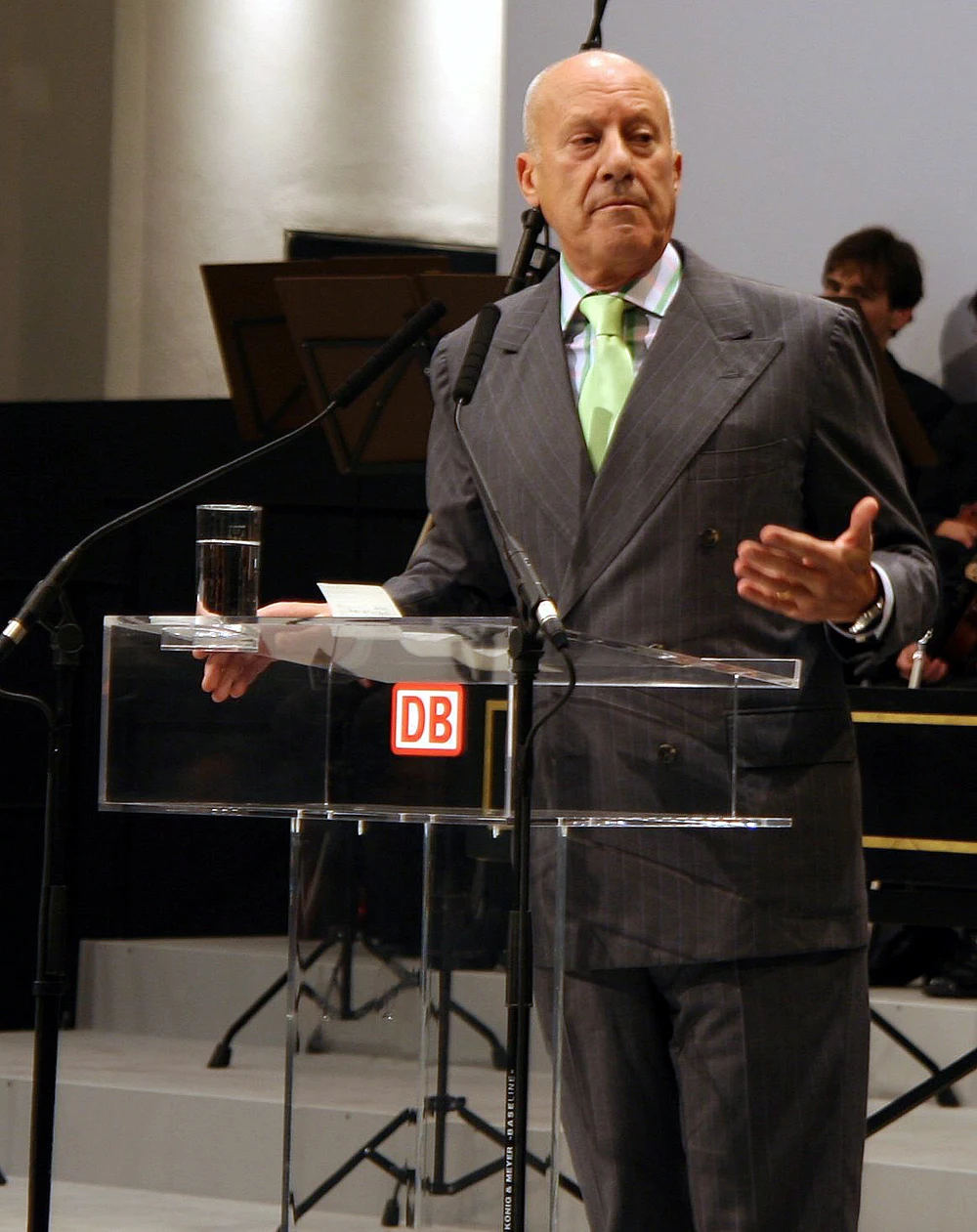
The 1999 Pritzker Architecture Prize recipient record names Norman Foster. Foster studied in Manchester and at Yale before establishing the London practice that became Foster + Partners in 1967. His career spans workplaces, transport infrastructure, cultural institutions and urban design. He received the Pritzker Architecture Prize in 1999.
Norman Foster, recipient of 1999 Pritzker Architecture Prize. This is a portrait, not a photograph of the award ceremony.
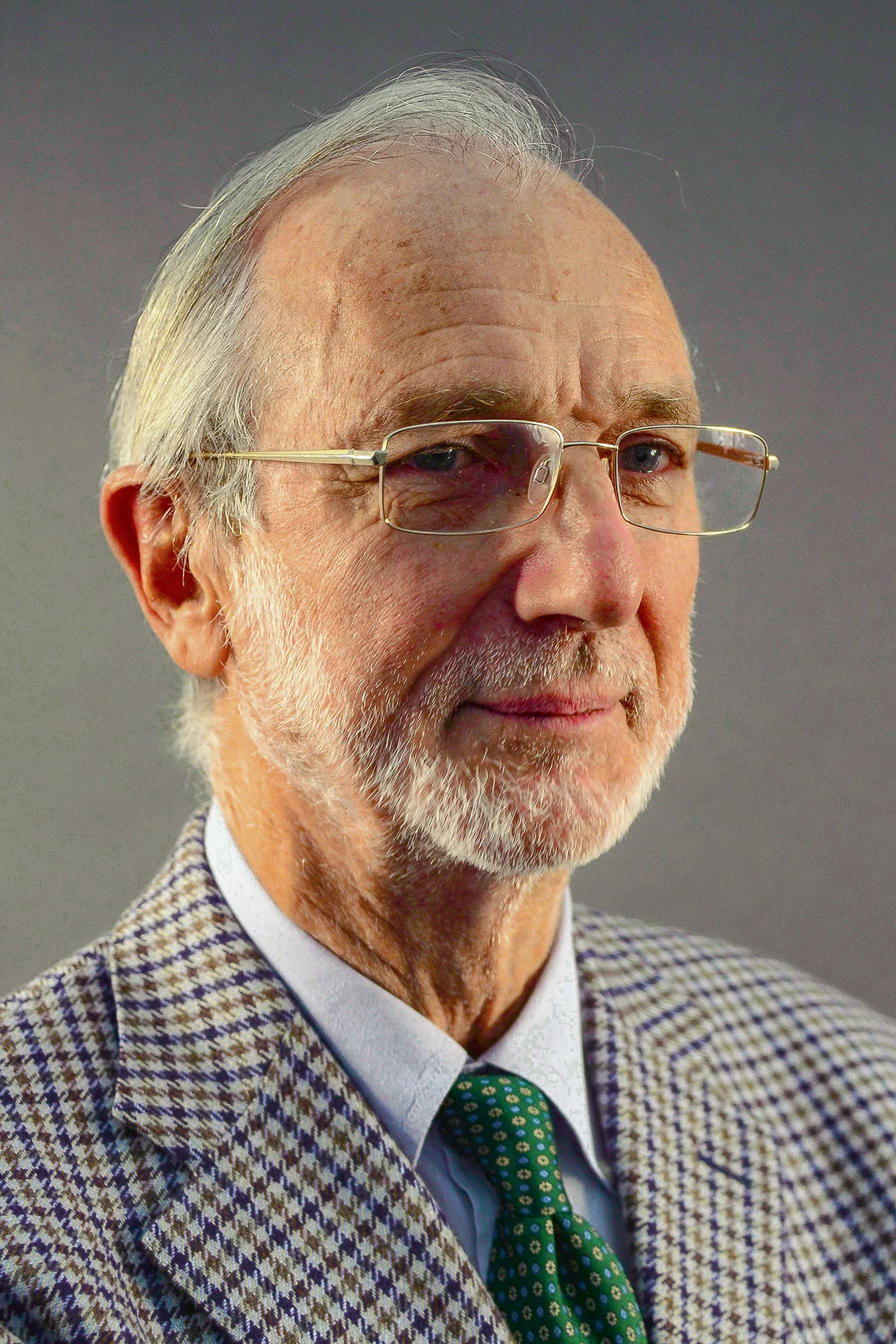
The 1998 Pritzker Architecture Prize recipient record names Renzo Piano. Born into a family of builders in Genoa, Piano studied in Milan. Collaboration with Richard Rogers produced the Centre Pompidou; later work through Renzo Piano Building Workshop developed a varied language for museums and civic buildings.
Renzo Piano, recipient of 1998 Pritzker Architecture Prize. This is a portrait, not a photograph of the award ceremony.
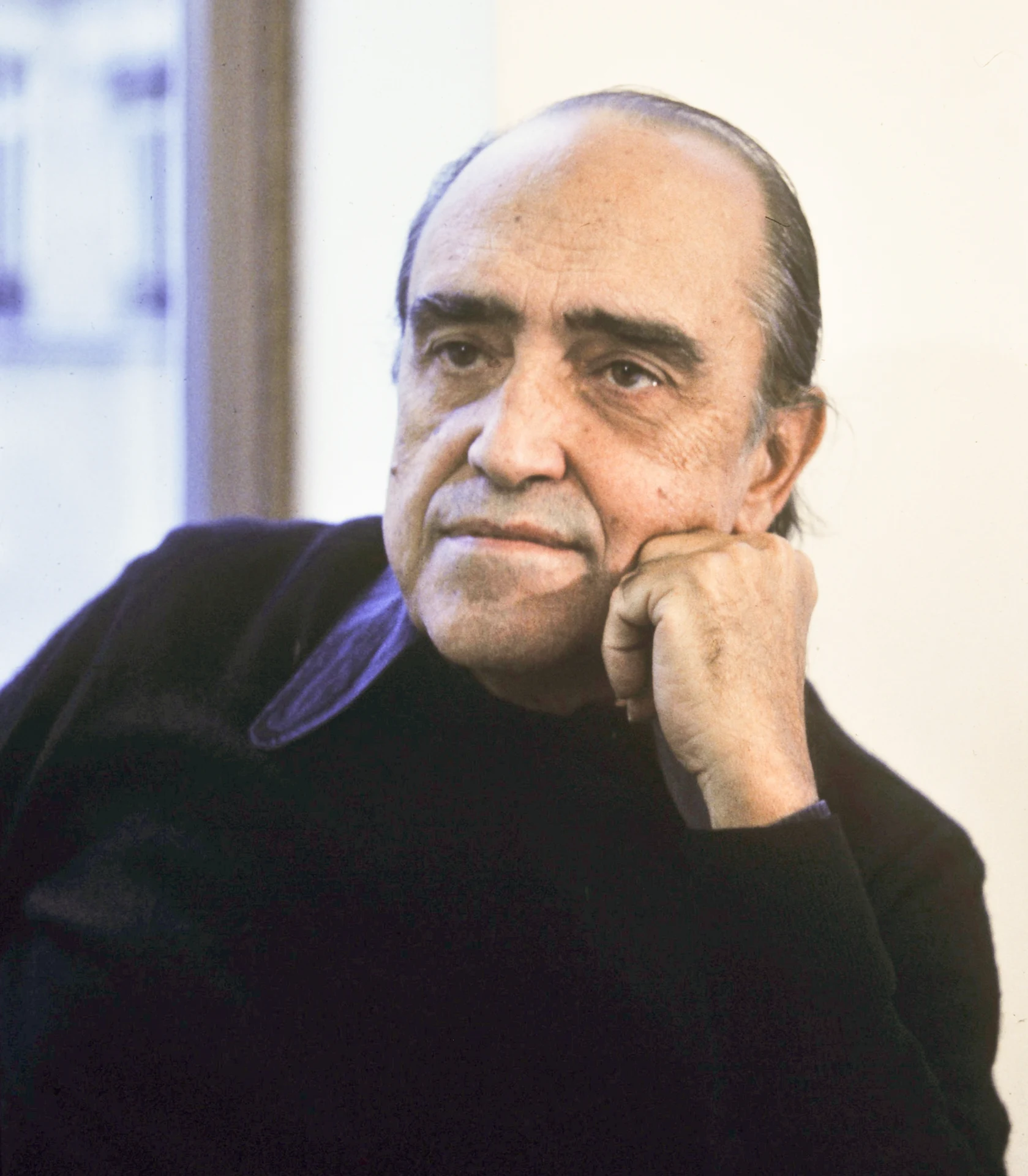
Oscar Niemeyer received the 1998 RIBA Royal Gold Medal. The honour recognises sustained influence on architecture across a body of work. This entry records a career distinction; its photograph identifies a recipient rather than an award-winning building.
Portrait photograph of Oscar Niemeyer; this image does not depict an award-winning building or establish the date of the award ceremony.
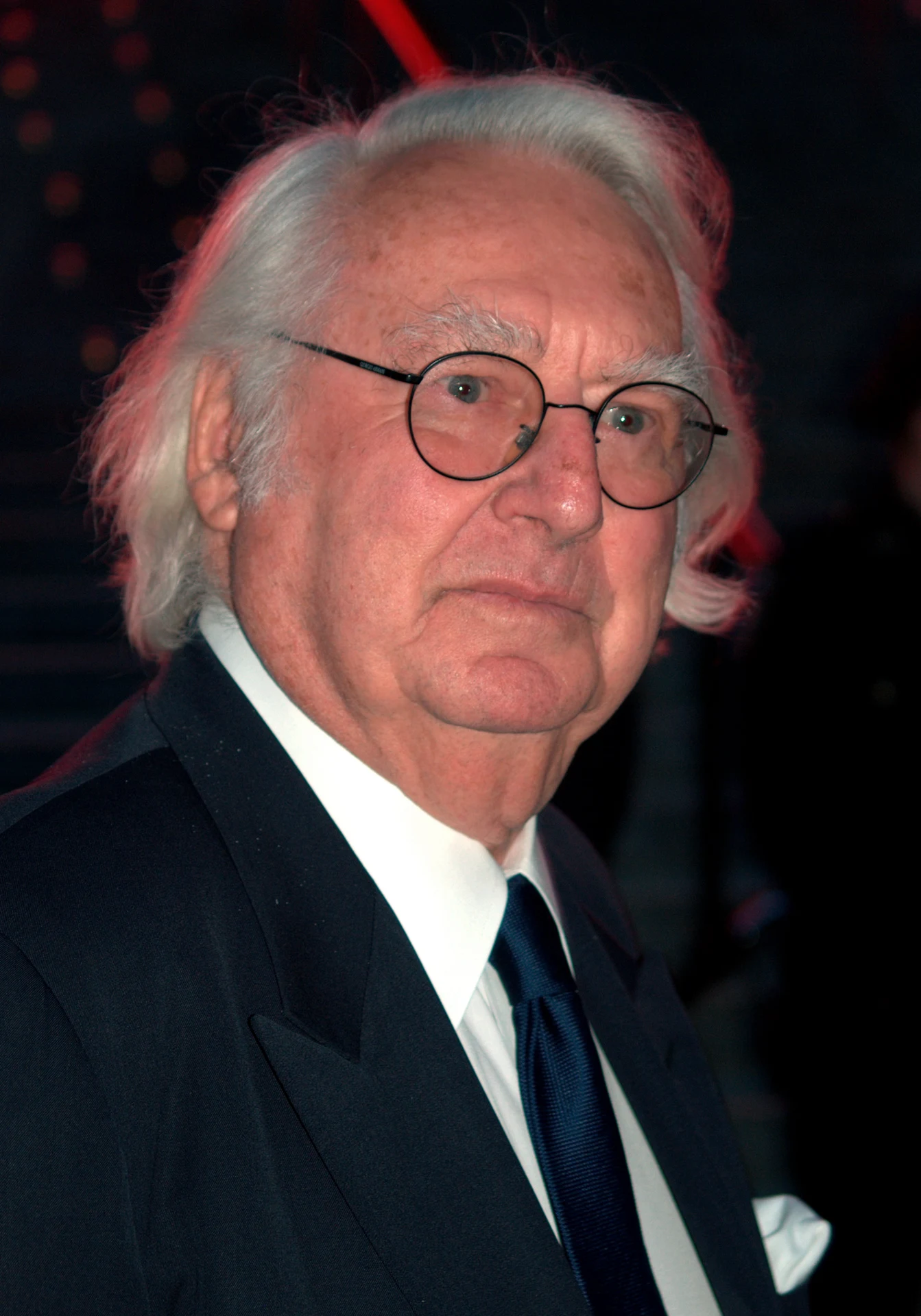
The 1997 AIA Gold Medal recipient record names Richard Meier, FAIA. Richard Meier established his independent practice in 1963, beginning with a house for his parents. The Smith House in Connecticut followed in 1965. His biography places these early residential commissions within a continuing dialogue with modernist and historical architectural influences.
Richard Meier, recipient of 1997 AIA Gold Medal. This is a portrait, not a photograph of the award ceremony.
The 1997 Pritzker Architecture Prize recipient record names Sverre Fehn. Sverre Fehn graduated from the Oslo School of Architecture in 1949 and helped form PAGON, a Norwegian group connected to CIAM. His official biography places his work in a dialogue with modernism, regional building traditions and observations from North Africa.
Sverre Fehn, recipient of 1997 Pritzker Architecture Prize. This is a portrait, not a photograph of the award ceremony.
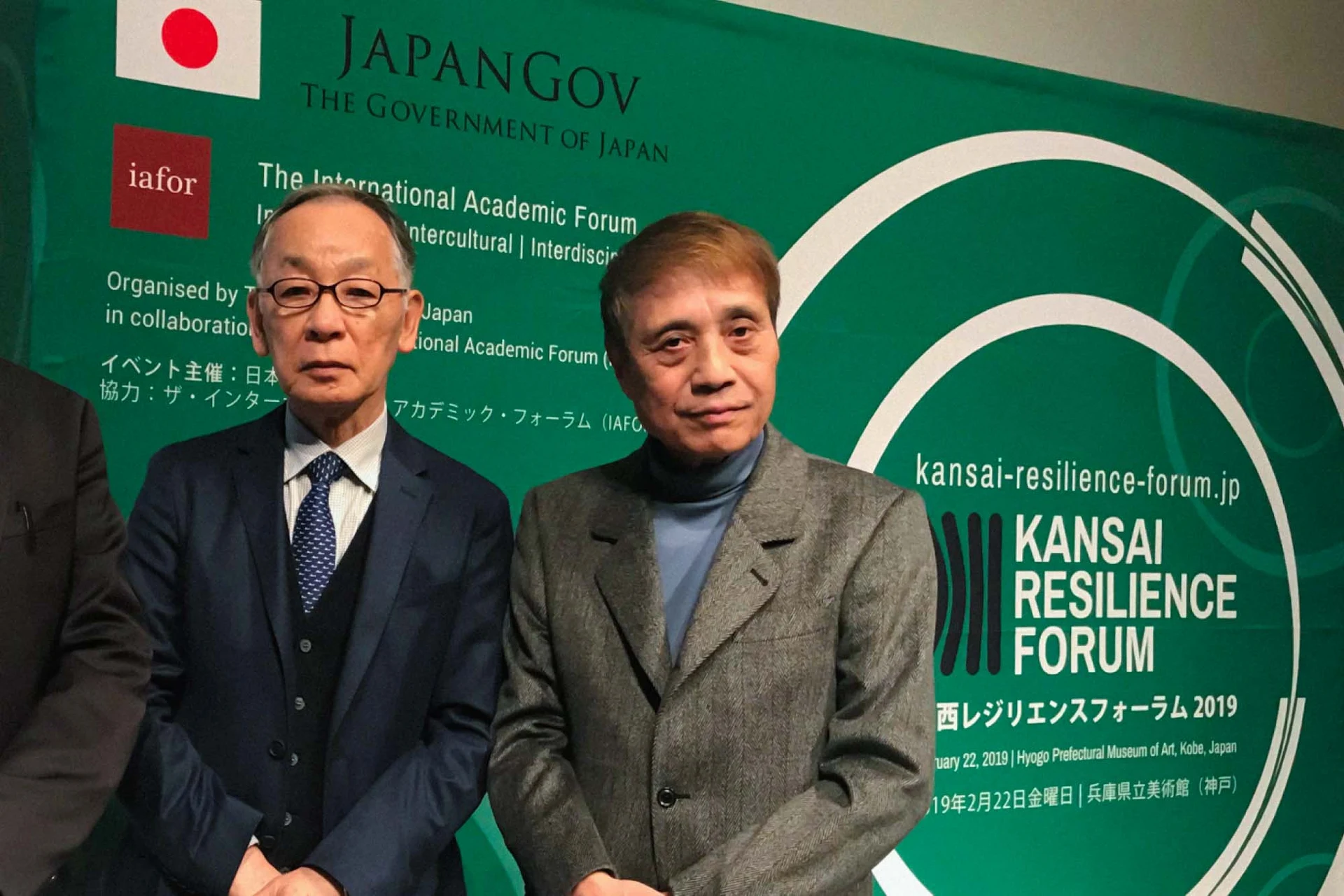
Tadao Ando received the 1997 RIBA Royal Gold Medal. The honour recognises sustained influence on architecture across a body of work. This entry records a career distinction; its photograph identifies a recipient rather than an award-winning building.
Portrait photograph of Tadao Ando; this image does not depict an award-winning building or establish the date of the award ceremony.
The 1996 Pritzker Architecture Prize recipient record names Rafael Moneo. Rafael Moneo graduated in architecture in Madrid in 1961. He worked with Francisco Javier Sáenz de Oiza while studying and later with Jørn Utzon in Denmark, connecting formal education with experience in contrasting architectural offices.
Rafael Moneo, recipient of 1996 Pritzker Architecture Prize. This is a portrait, not a photograph of the award ceremony.
The 1995 AIA Gold Medal recipient record names César Pelli, FAIA. AIA describes the Gold Medal as its highest annual honour for lasting influence on architectural theory and practice. This recipient record concerns an individual or collaborative body of work, not a single building or its completion year.
César Pelli, recipient of 1995 AIA Gold Medal. This is a portrait, not a photograph of the award ceremony.
The 1995 Pritzker Architecture Prize recipient record names Tadao Ando. Ando developed his practice in Osaka through independent study and close observation of buildings. Houses, museums and places of worship became settings for his investigation of enclosed space and the natural world. He received the Pritzker Architecture Prize in 1995.
Tadao Ando, recipient of 1995 Pritzker Architecture Prize. This is a portrait, not a photograph of the award ceremony.
The 1993 Pritzker Architecture Prize recipient record names Fumihiko Maki. Fumihiko Maki studied with Kenzo Tange at the University of Tokyo, continued his education at Cranbrook and Harvard, and worked in American architectural offices. Teaching at Washington University brought his first design commission, Steinberg Hall. His official biography describes an explicitly modernist practice attentive to technology, modular construction and a widening material palette.
Fumihiko Maki, recipient of 1993 Pritzker Architecture Prize. This is a portrait, not a photograph of the award ceremony.
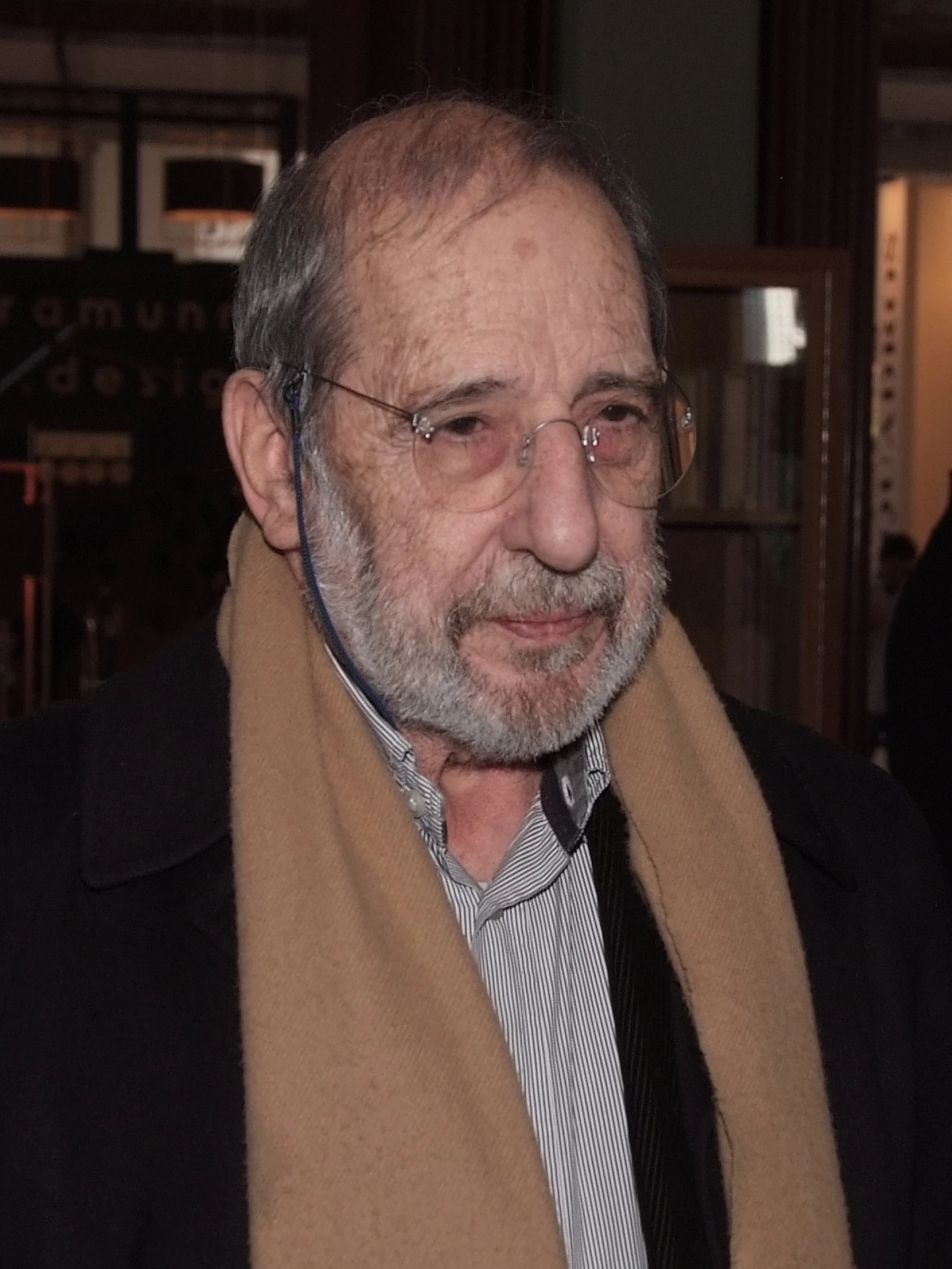
The 1992 Pritzker Architecture Prize recipient record names Alvaro Siza. Siza’s practice developed in Portugal, with housing, civic buildings and urban interventions forming a broad architectural body of work. The 1992 Pritzker record traces a design process attentive to the particular conditions of each commission.
Álvaro Siza Vieira, recipient of 1992 Pritzker Architecture Prize. This is a portrait, not a photograph of the award ceremony.
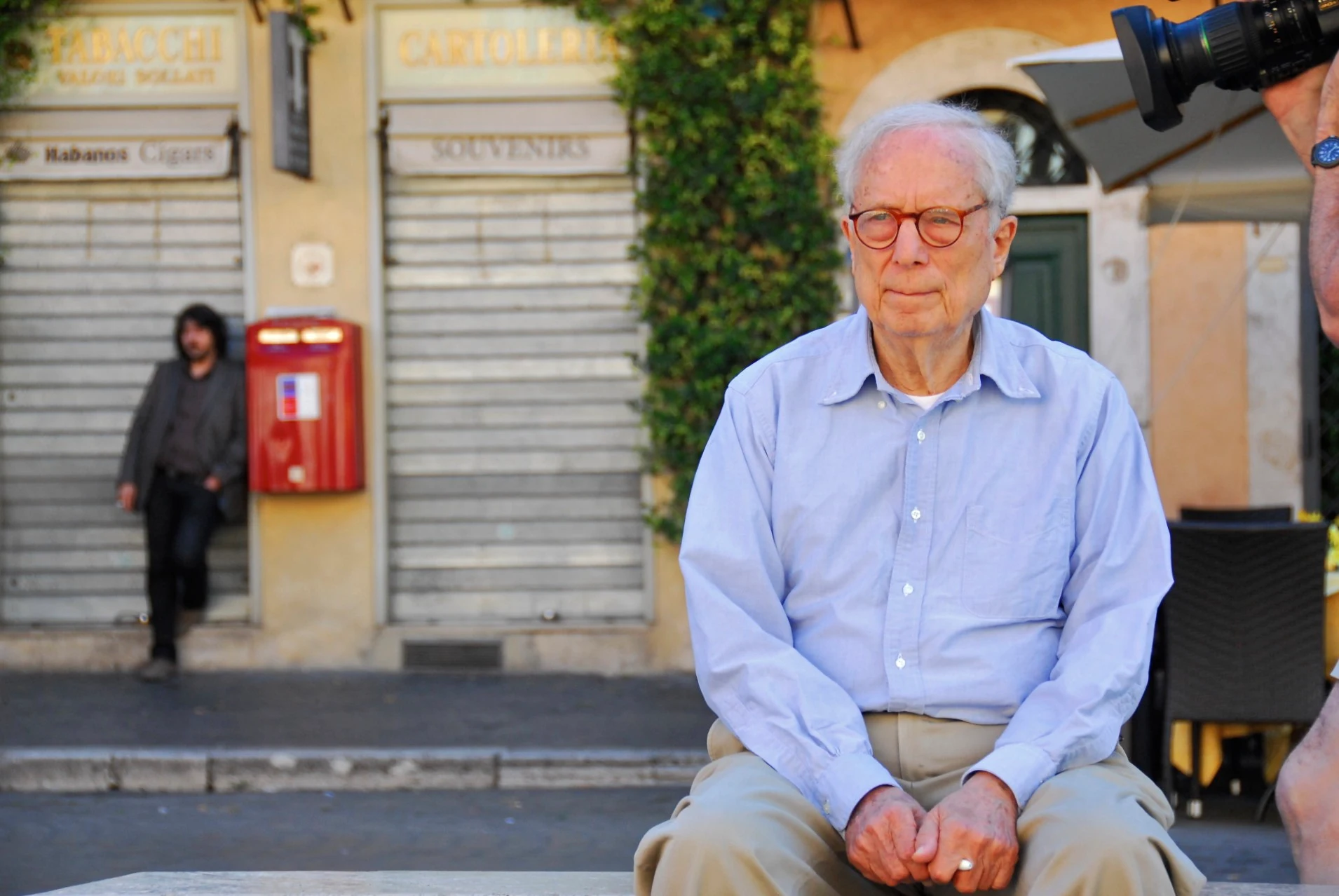
The 1991 Pritzker Architecture Prize recipient record names Robert Venturi. Robert Venturi studied at Princeton and continued his education as a Rome Prize Fellow before teaching architectural theory. His 1966 book Complexity and Contradiction in Architecture argued for richness and ambiguity in the built environment rather than a narrow pursuit of unity.
Robert Venturi, recipient of 1991 Pritzker Architecture Prize. This is a portrait, not a photograph of the award ceremony.
Renzo Piano received the 1989 RIBA Royal Gold Medal. The honour recognises sustained influence on architecture across a body of work. This entry records a career distinction; its photograph identifies a recipient rather than an award-winning building.
Portrait photograph of Renzo Piano; this image does not depict an award-winning building or establish the date of the award ceremony.
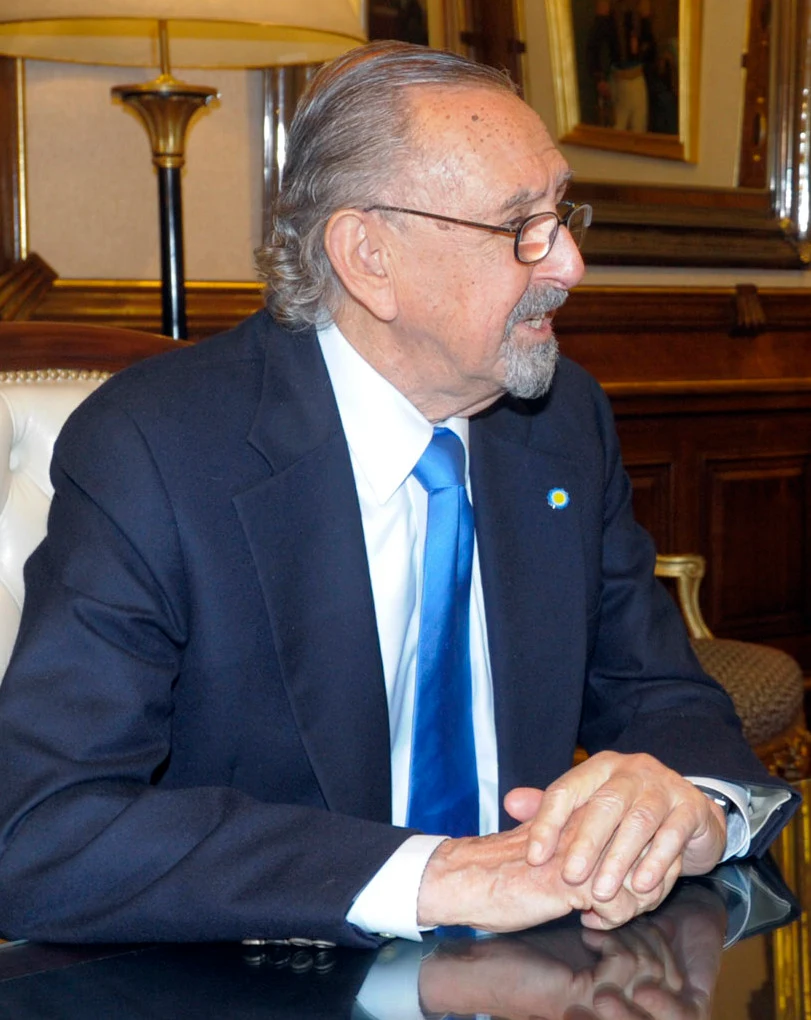
The 1988 Pritzker Architecture Prize recognised Gordon Bunshaft and Oscar Niemeyer as two laureates in the same year. Bunshaft's biography connects Lever House with modern corporate architecture; Niemeyer's describes sculptural building designs in Brasília within Lucio Costa's city plan. These are two distinct architectural careers represented together in one annual recipient record.
Oscar Niemeyer, one of the joint recipients of 1988 Pritzker Architecture Prize. This is a portrait, not a photograph of the award ceremony.
Richard Meier received the 1988 RIBA Royal Gold Medal. The honour recognises sustained influence on architecture across a body of work. This entry records a career distinction; its photograph identifies a recipient rather than an award-winning building.
Portrait photograph of Richard Meier; this image does not depict an award-winning building or establish the date of the award ceremony.
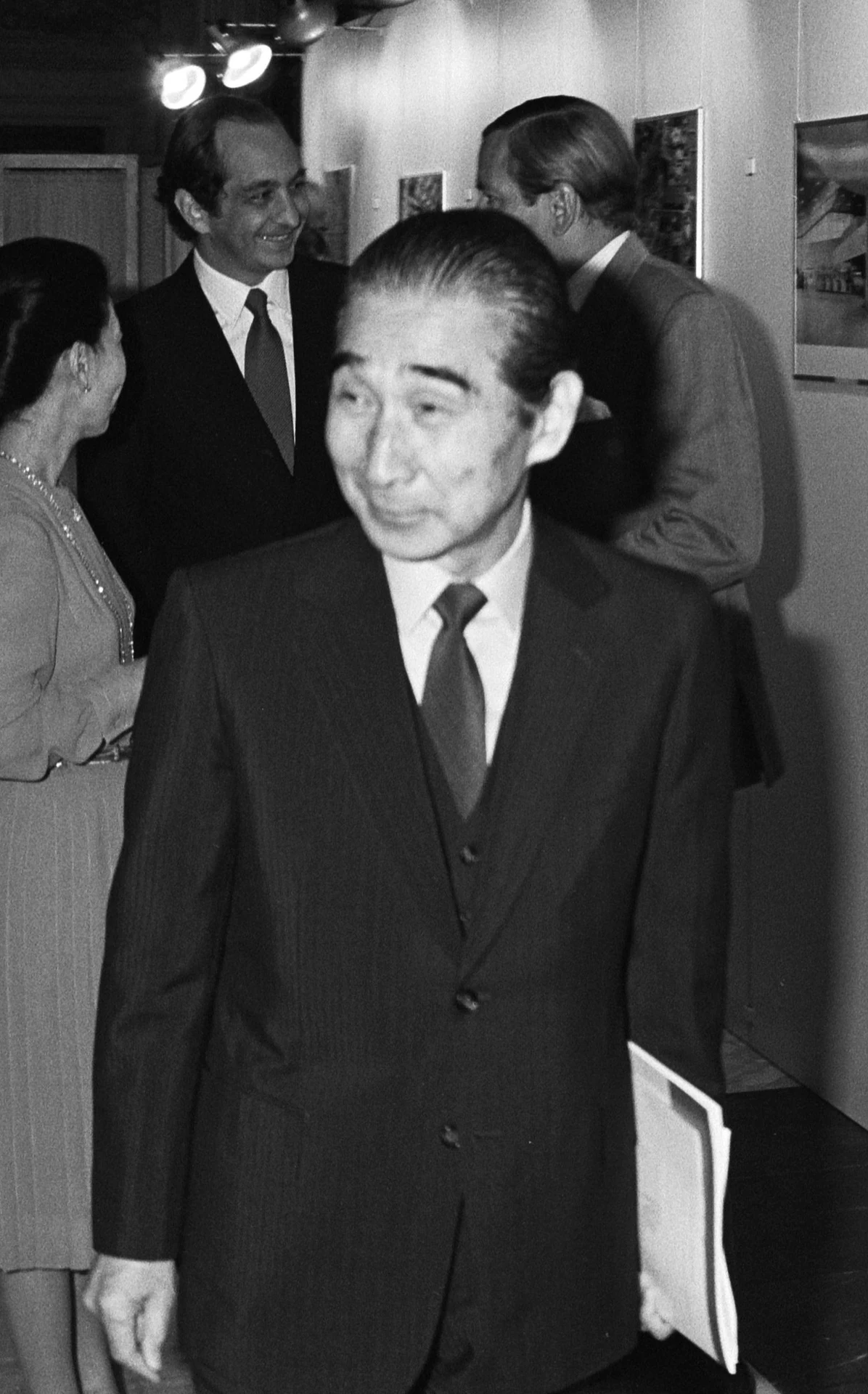
The 1987 Pritzker Architecture Prize recipient record names Kenzo Tange. Kenzo Tange studied architecture at Tokyo University and established the Tange Laboratory after becoming an assistant professor in 1946. His work includes Hiroshima's Peace Center and Park and research into large-city spatial structure. The official biography links that research with Plan for Tokyo 1960, a response to urban growth and change.
Kenzo Tange, recipient of 1987 Pritzker Architecture Prize. This is a portrait, not a photograph of the award ceremony.
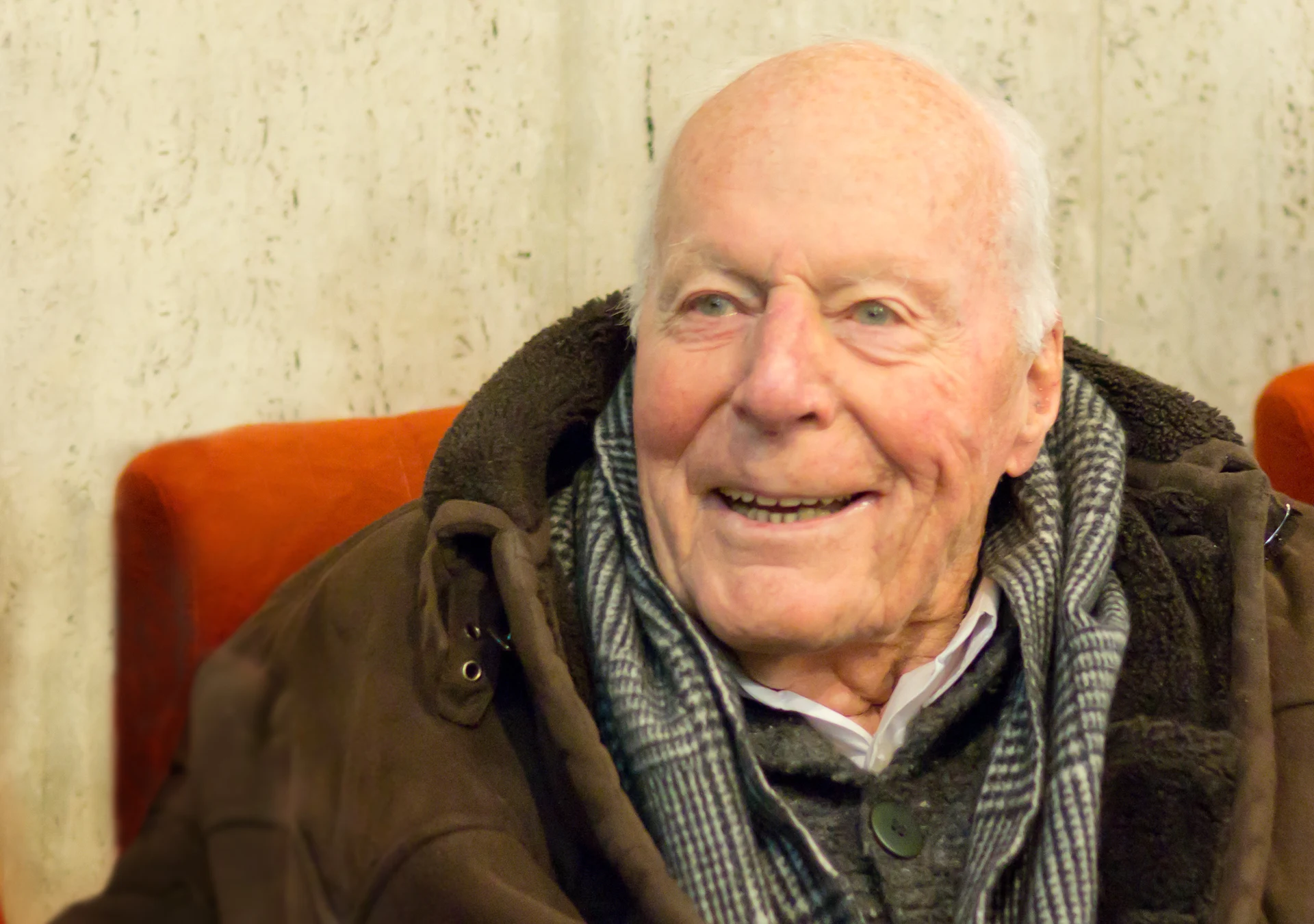
The 1986 Pritzker Architecture Prize recipient record names Gottfried Böhm. Gottfried Böhm studied architecture and sculpture in Munich, later working in his father's office and on the reconstruction of Cologne. His official biography describes an interest in connections: between old and new, ideas and physical form, and a building and its urban setting. Sculpture informed the clay models used during design.
Gottfried Böhm, recipient of 1986 Pritzker Architecture Prize. This is a portrait, not a photograph of the award ceremony.
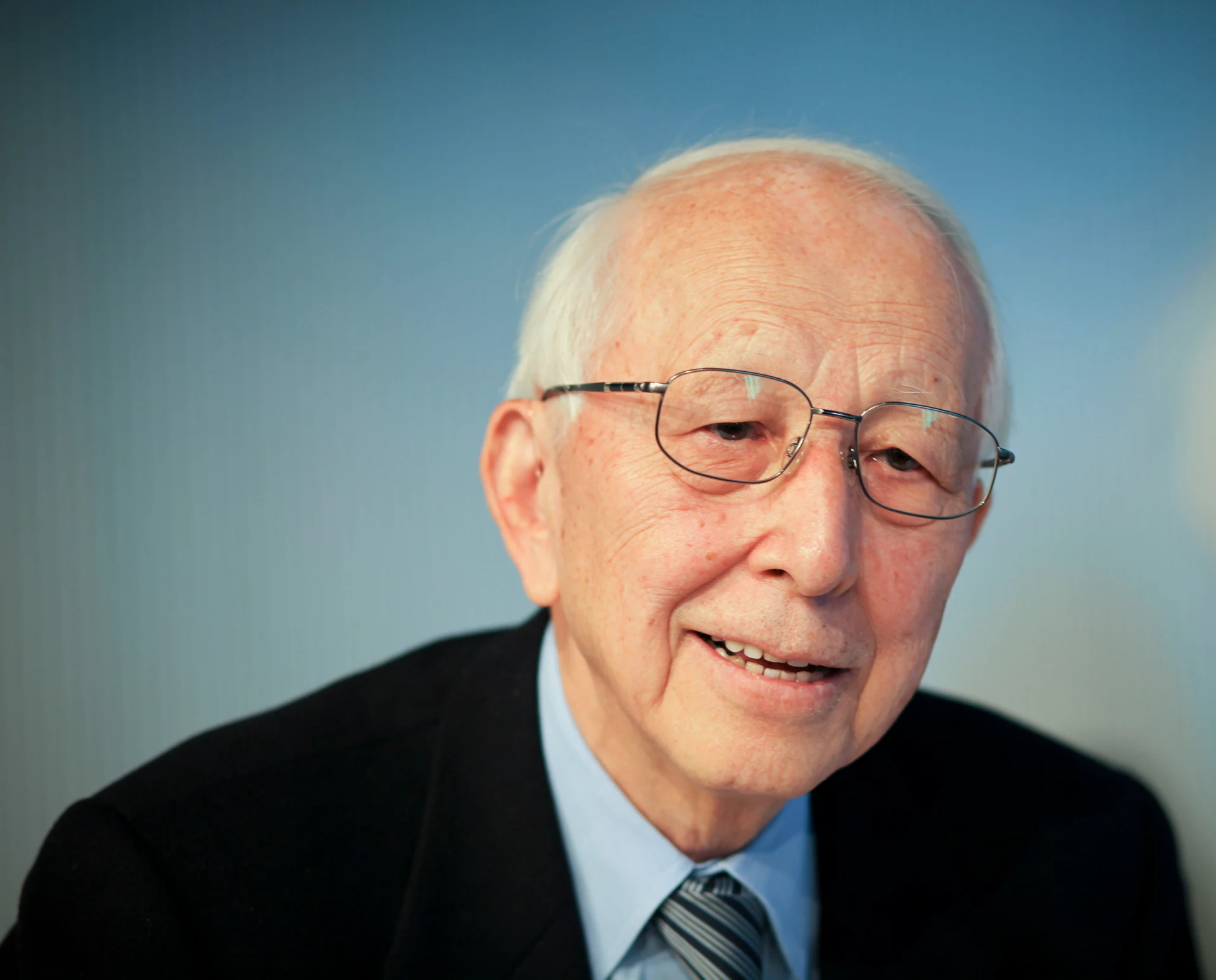
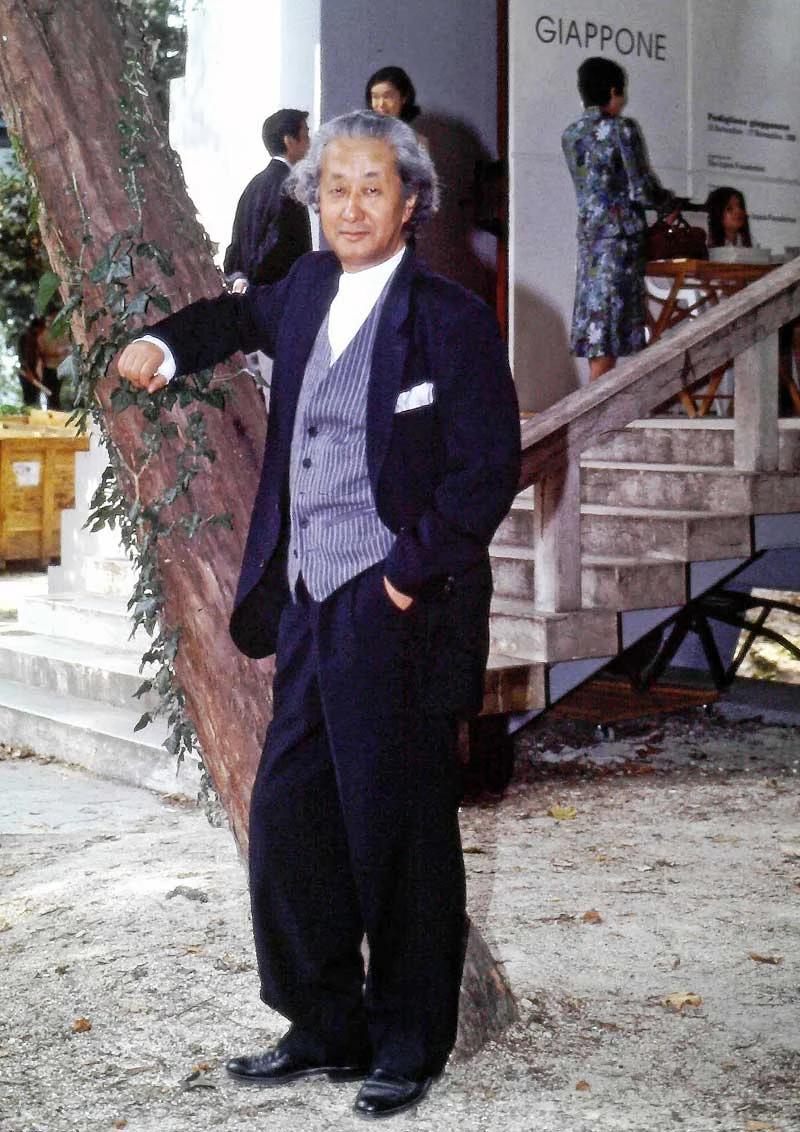
Arata Isozaki received the 1986 RIBA Royal Gold Medal. The honour recognises sustained influence on architecture across a body of work. This entry records a career distinction; its photograph identifies a recipient rather than an award-winning building.
Portrait photograph of Arata Isozaki; this image does not depict an award-winning building or establish the date of the award ceremony.
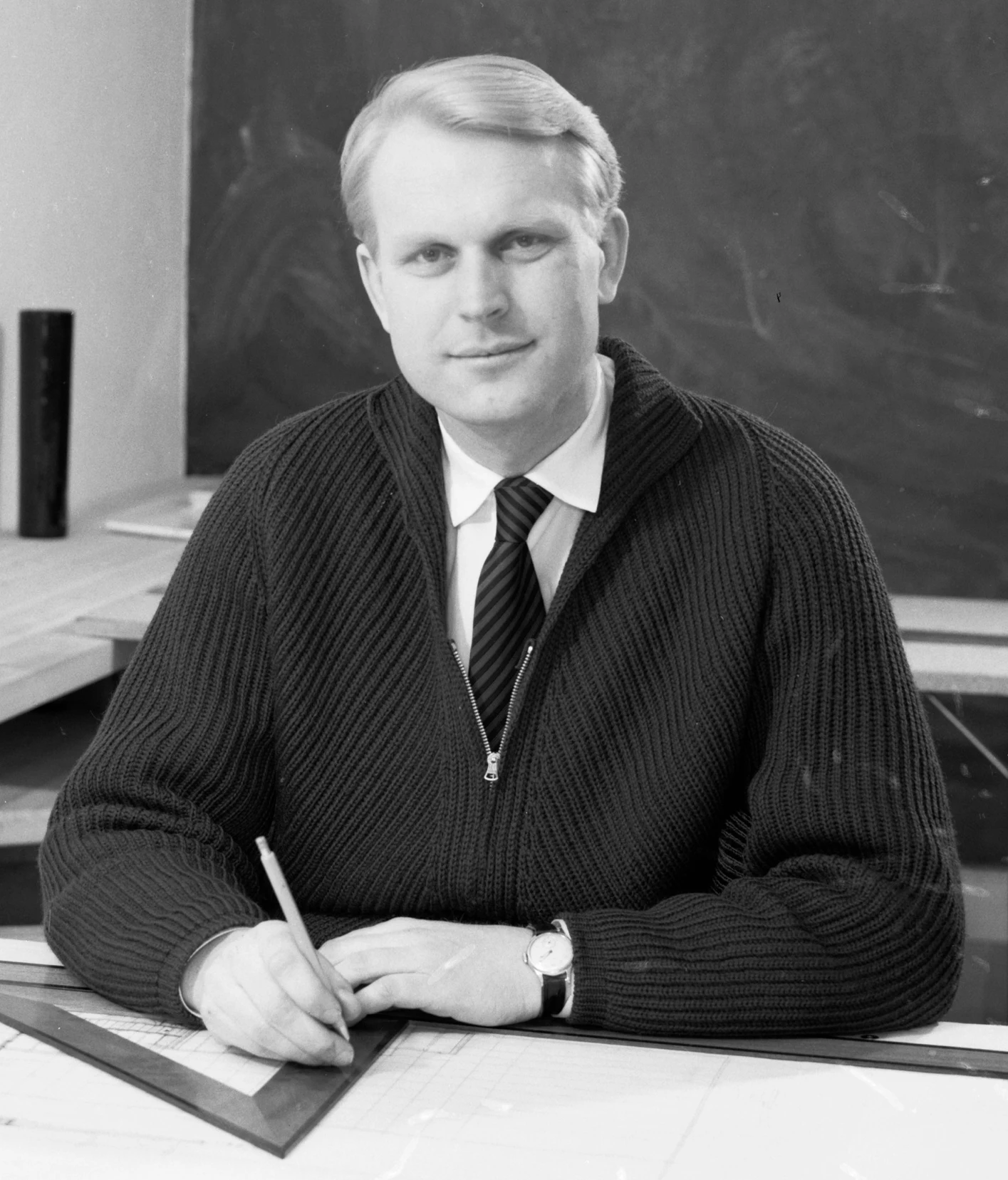
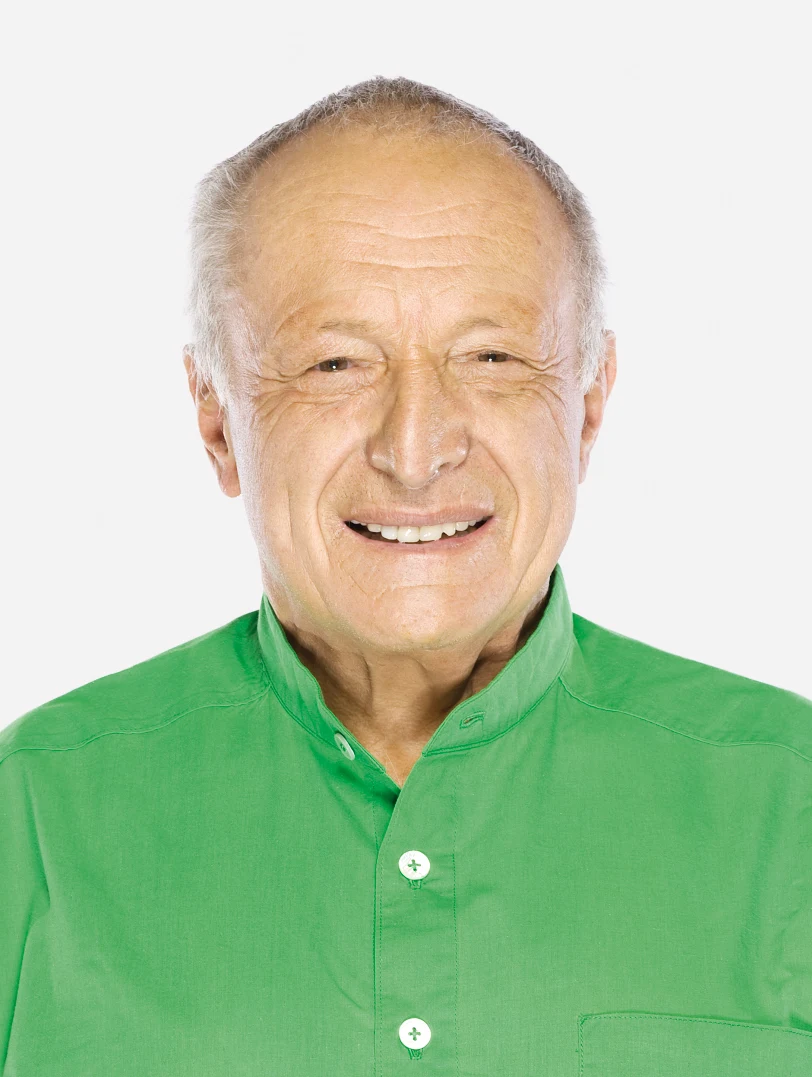
Sir Richard Rogers received the 1985 RIBA Royal Gold Medal. The honour recognises sustained influence on architecture across a body of work. This entry records a career distinction; its photograph identifies a recipient rather than an award-winning building.
Portrait photograph of Richard Rogers; this image does not depict an award-winning building or establish the date of the award ceremony.

 View larger
 View larger