Explore 594 illustrated award cases: actual buildings and architectural honours, with the programme, year and official evidence stated separately.
Built-project awards and career honours recognise different subjects. Award year, building completion and photography date are distinct; a personal honour does not transfer to every building by its recipient. Photographs open at a larger size with creator and licence references.
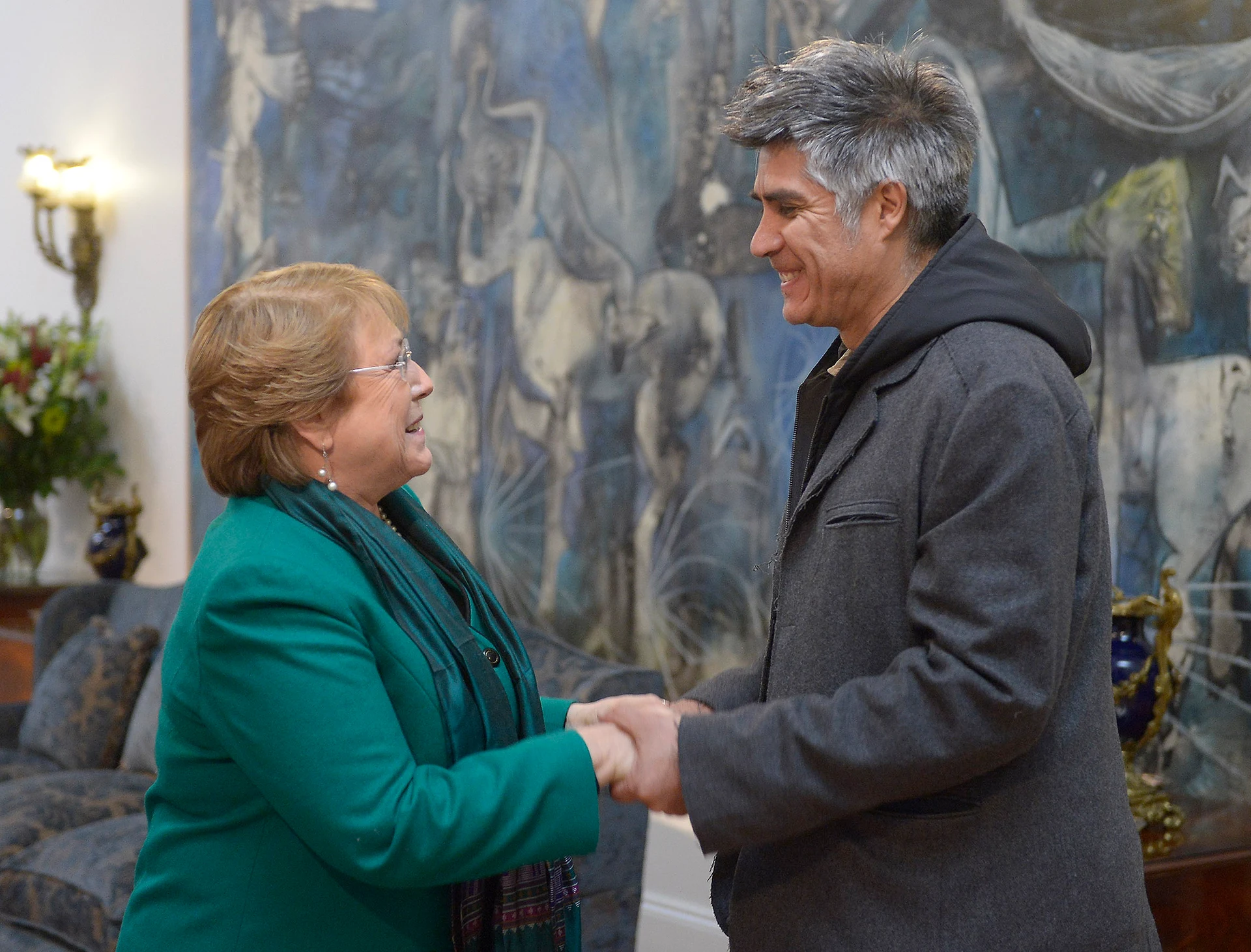
The 2016 Pritzker Architecture Prize recipient record names Alejandro Aravena. Alejandro Aravena graduated from the Universidad Católica de Chile in 1992 and established his own practice in 1994. Since 2001 he has led ELEMENTAL, which works on housing, public space, infrastructure and transport with an emphasis on social impact. Its work includes reconstruction planning for Constitución after Chile's 2010 earthquake and tsunami.
Alejandro Aravena, recipient of 2016 Pritzker Architecture Prize. This is a portrait, not a photograph of the award ceremony.
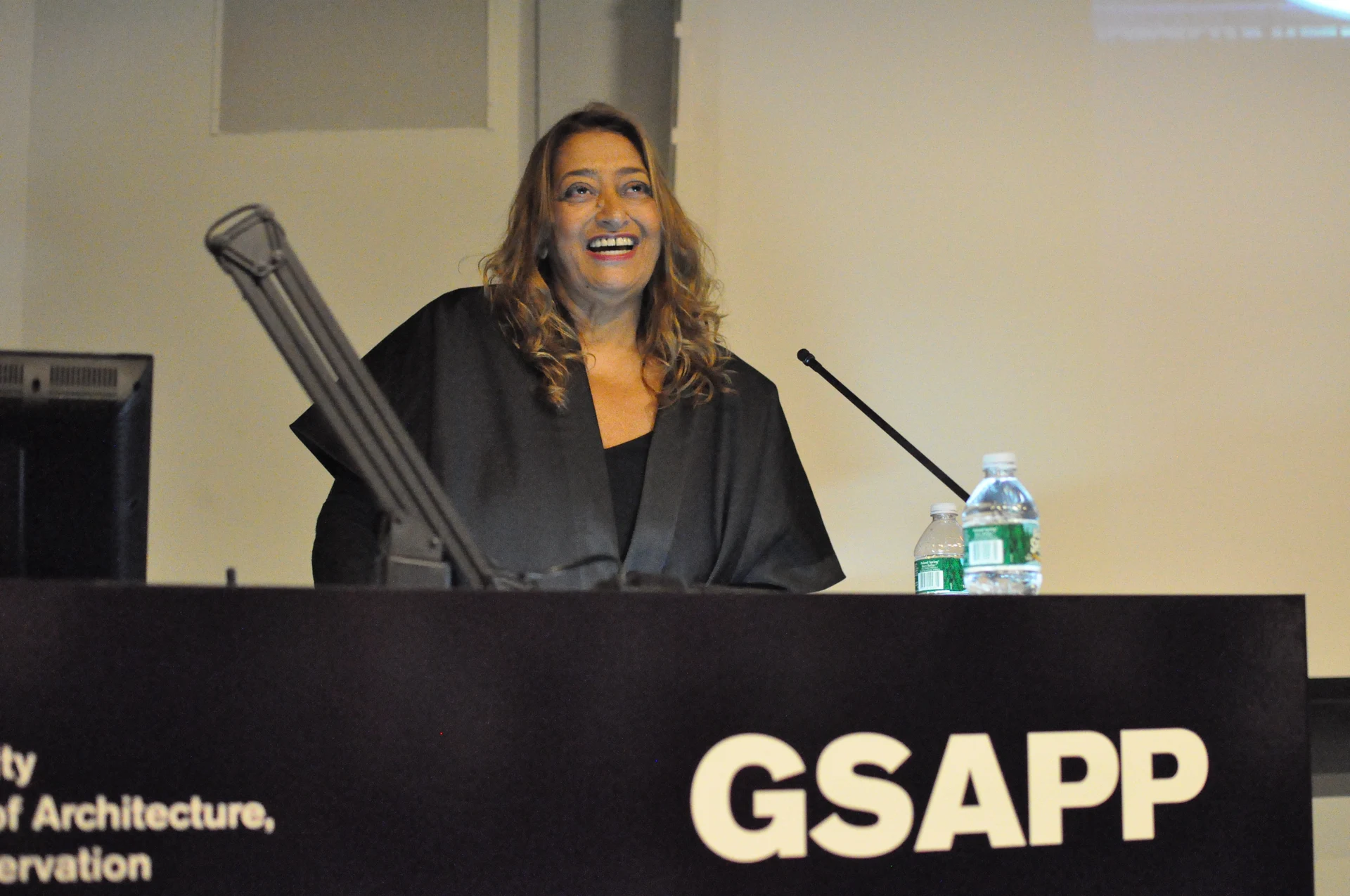
Dame Zaha Hadid received the 2016 RIBA Royal Gold Medal. The honour recognises sustained influence on architecture across a body of work. This entry records a career distinction; its photograph identifies a recipient rather than an award-winning building.
Portrait photograph of Zaha Hadid; this image does not depict an award-winning building or establish the date of the award ceremony.
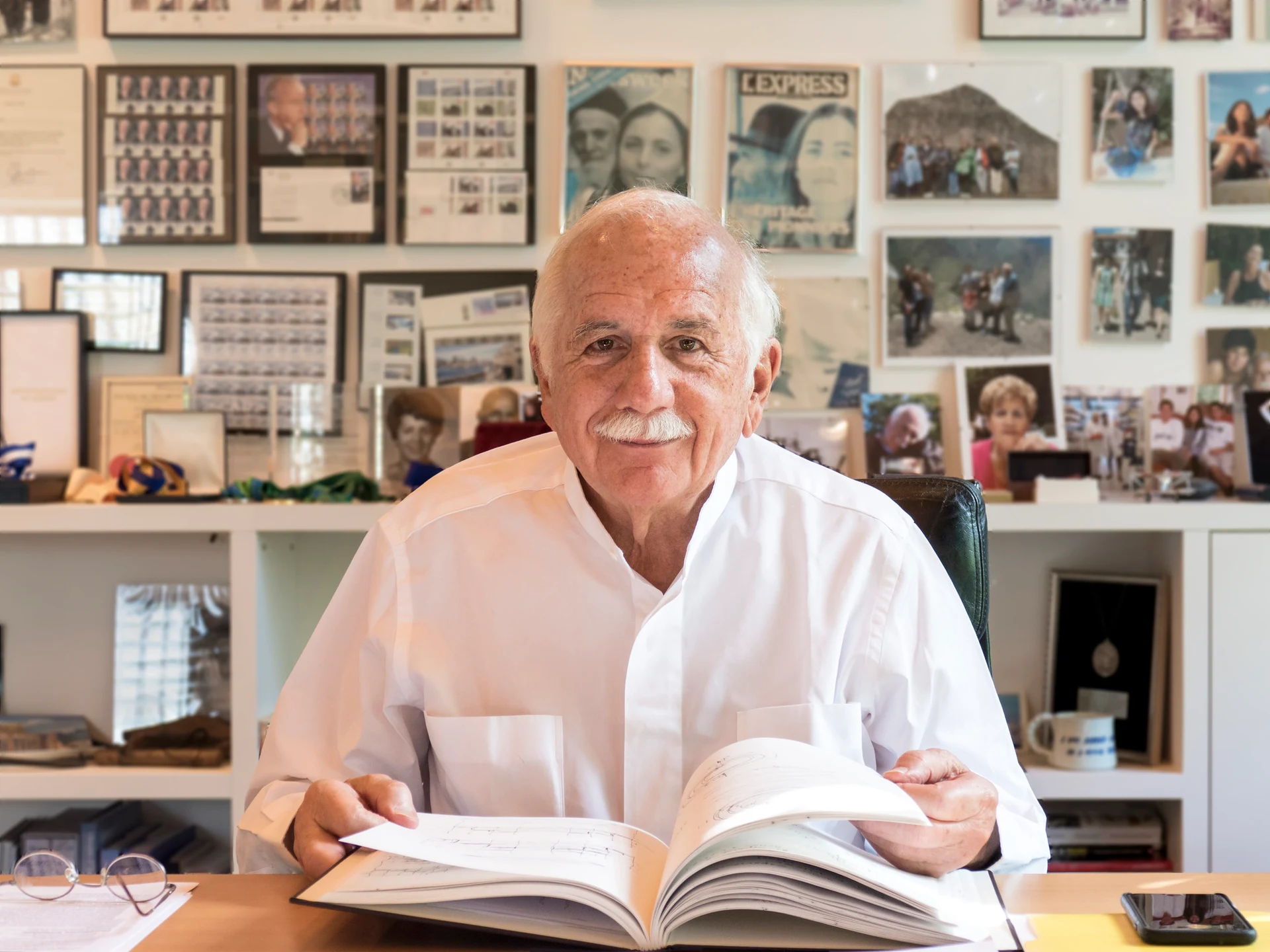
The 2015 AIA Gold Medal recipient record names Moshe Safdie, FAIA. AIA describes the Gold Medal as its highest annual honour for lasting influence on architectural theory and practice. This recipient record concerns an individual or collaborative body of work, not a single building or its completion year.
Moshe Safdie, recipient of 2015 AIA Gold Medal. This is a portrait, not a photograph of the award ceremony.
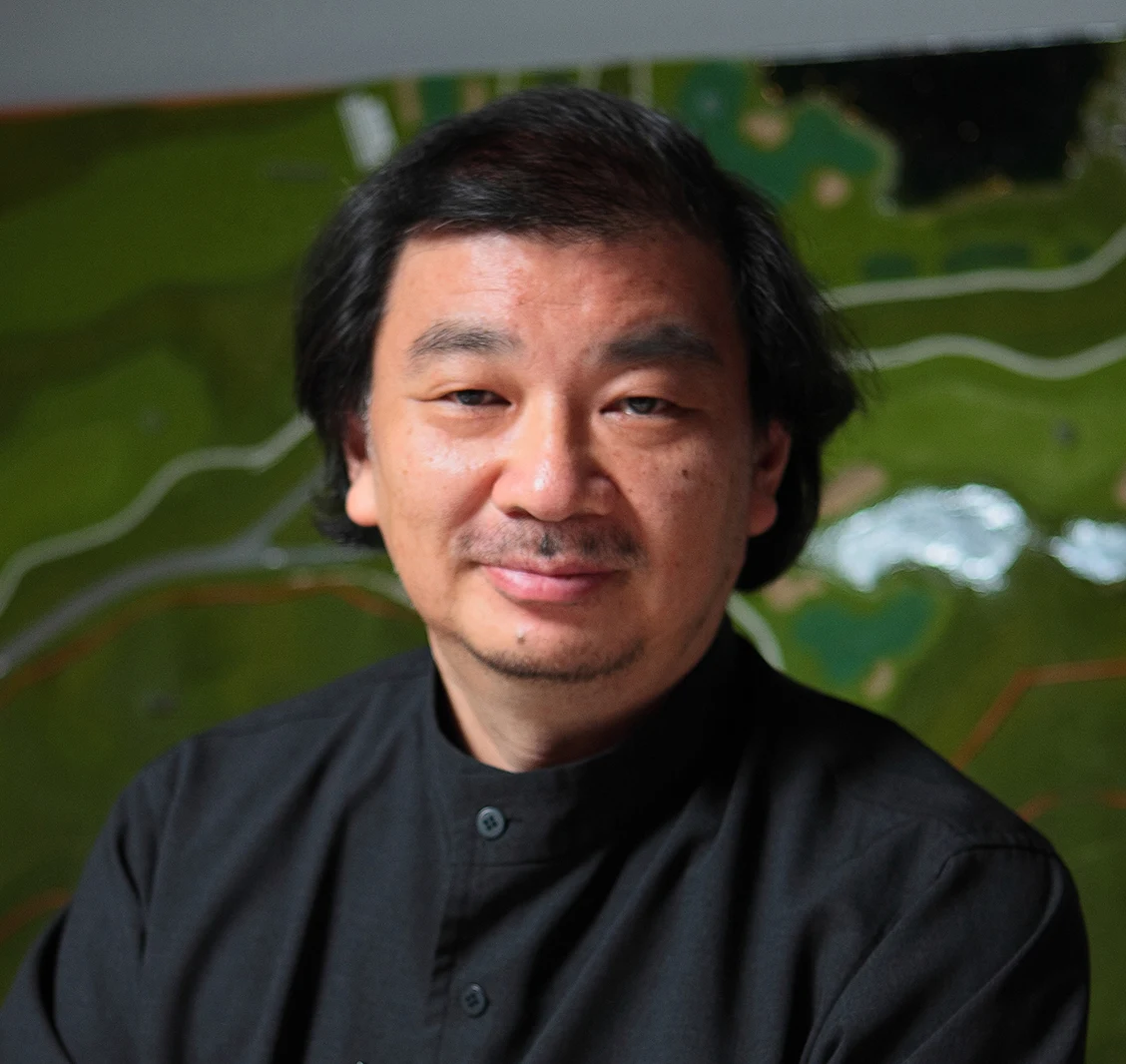
The 2014 Pritzker Architecture Prize recipient record names Shigeru Ban. Ban studied at SCI-Arc and Cooper Union before building a practice spanning museums, workplaces and emergency shelter. His work with displaced communities brought architectural attention to the dignity and practical needs of temporary accommodation.
Shigeru Ban, recipient of 2014 Pritzker Architecture Prize. This is a portrait, not a photograph of the award ceremony.
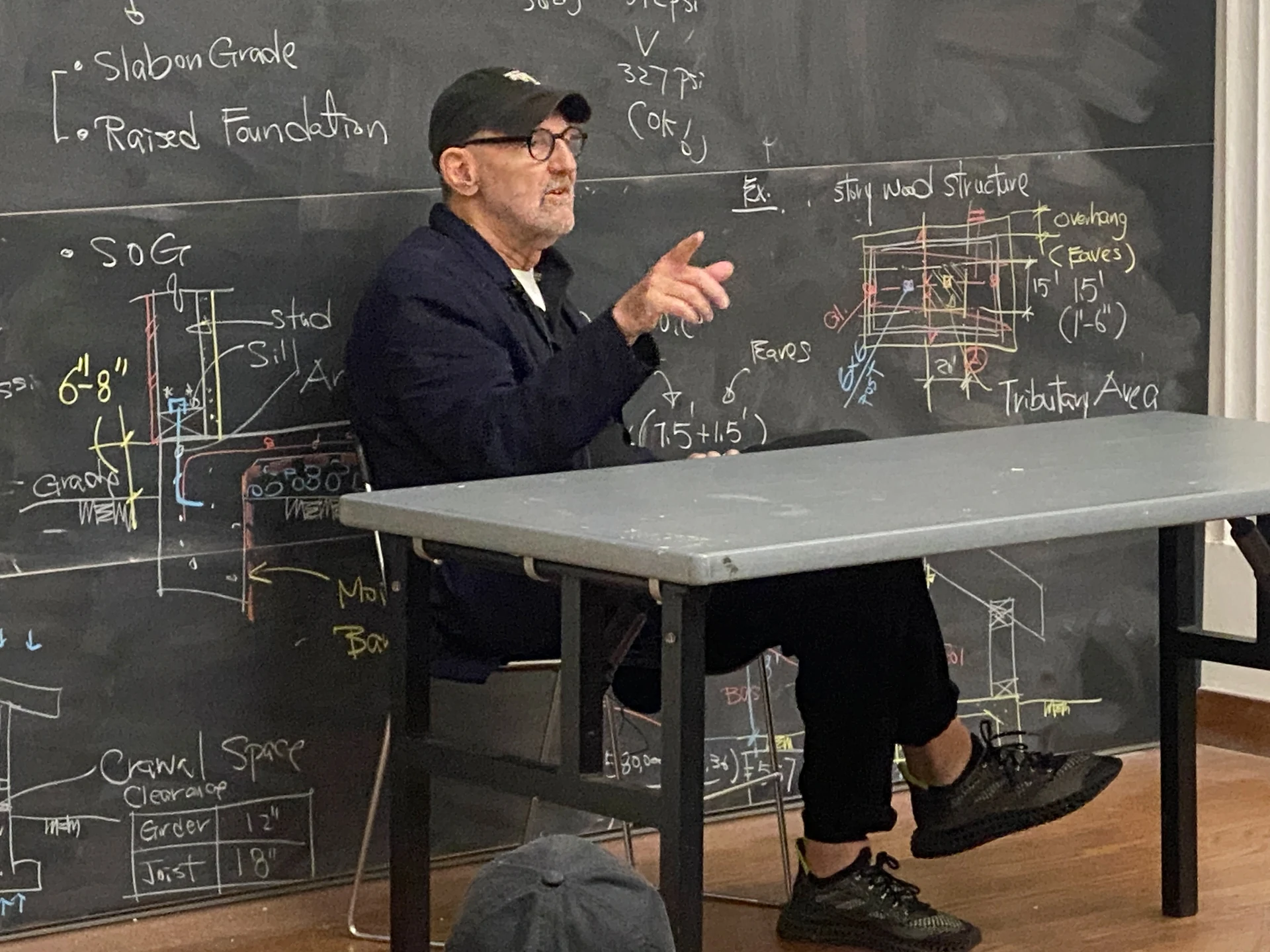
The 2013 AIA Gold Medal recipient record names Thom Mayne, FAIA. Thom Mayne founded Morphosis in Los Angeles in 1972. His official Pritzker biography describes a career encompassing architectural practice, theory, writing and teaching. The 2005 jury citation connects his work to the distinctive culture of Southern California and the experimental architectural history of Los Angeles.
Thom Mayne, recipient of 2013 AIA Gold Medal. This is a portrait, not a photograph of the award ceremony.
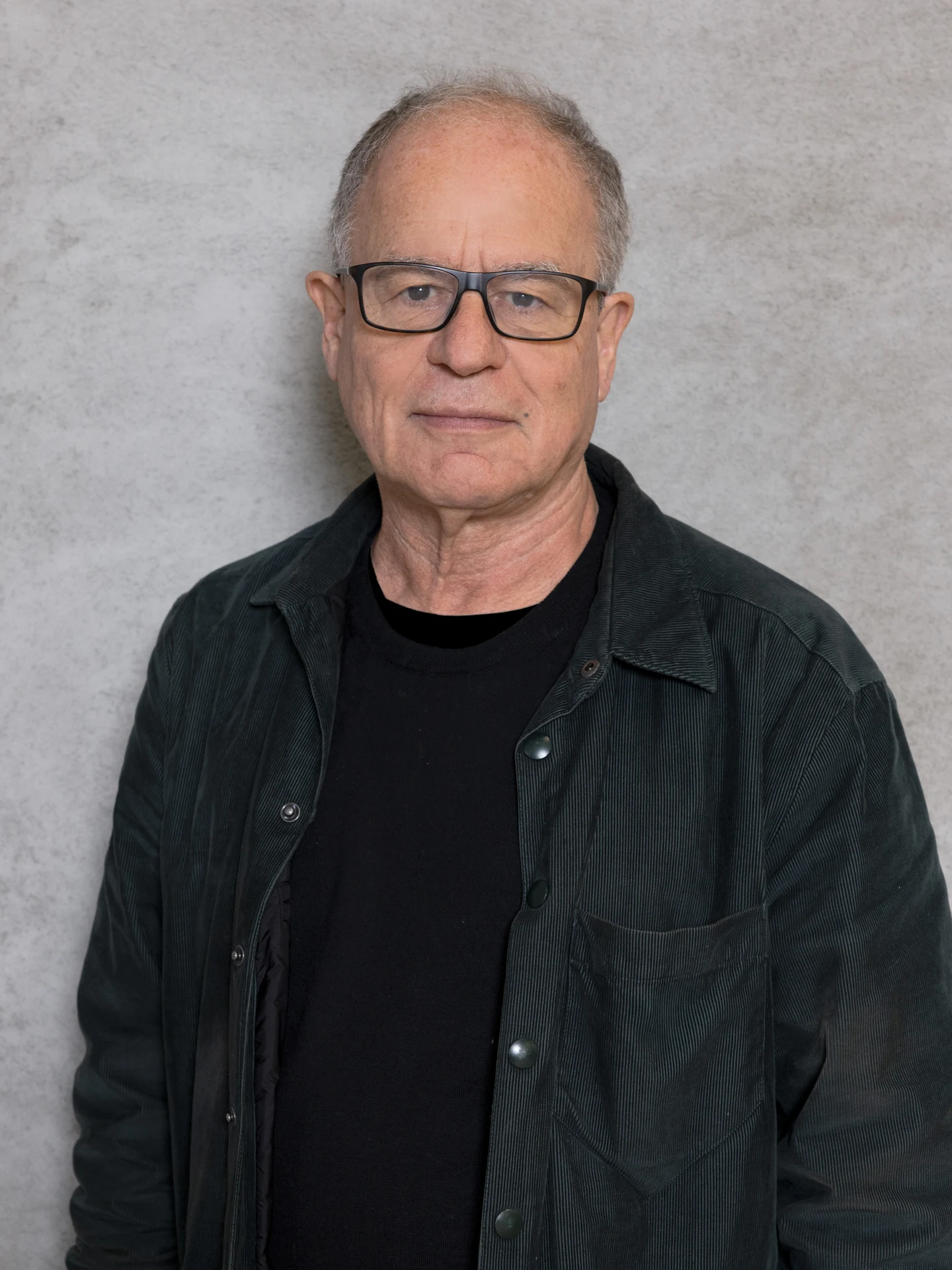
Peter Zumthor received the 2013 RIBA Royal Gold Medal. The honour recognises sustained influence on architecture across a body of work. This entry records a career distinction; its photograph identifies a recipient rather than an award-winning building.
Portrait photograph of Peter Zumthor; this image does not depict an award-winning building or establish the date of the award ceremony.
The 2012 AIA Gold Medal recipient record names Steven Holl, FAIA. AIA describes the Gold Medal as its highest annual honour for lasting influence on architectural theory and practice. This recipient record concerns an individual or collaborative body of work, not a single building or its completion year.
Steven Holl, recipient of 2012 AIA Gold Medal. This is a portrait, not a photograph of the award ceremony.
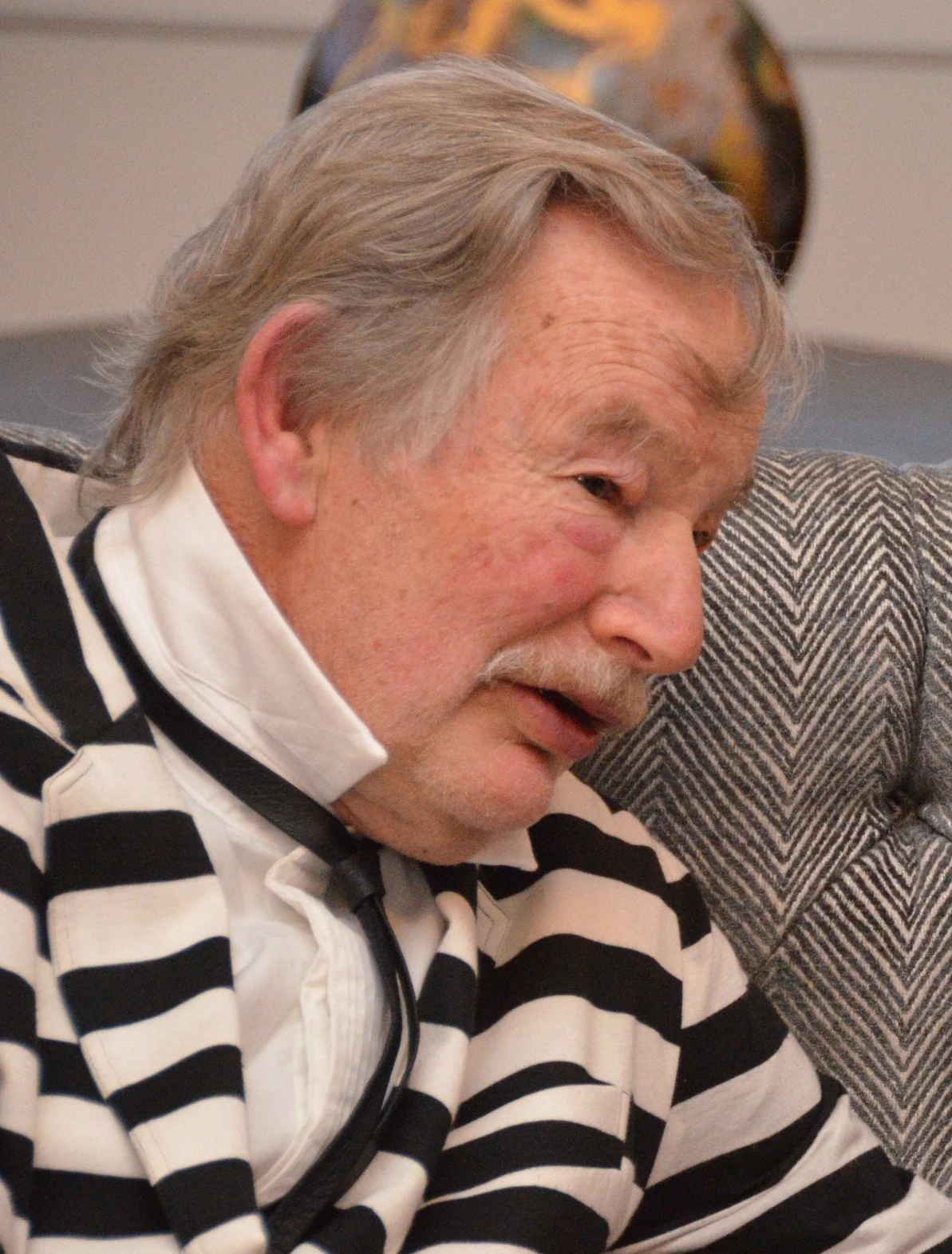
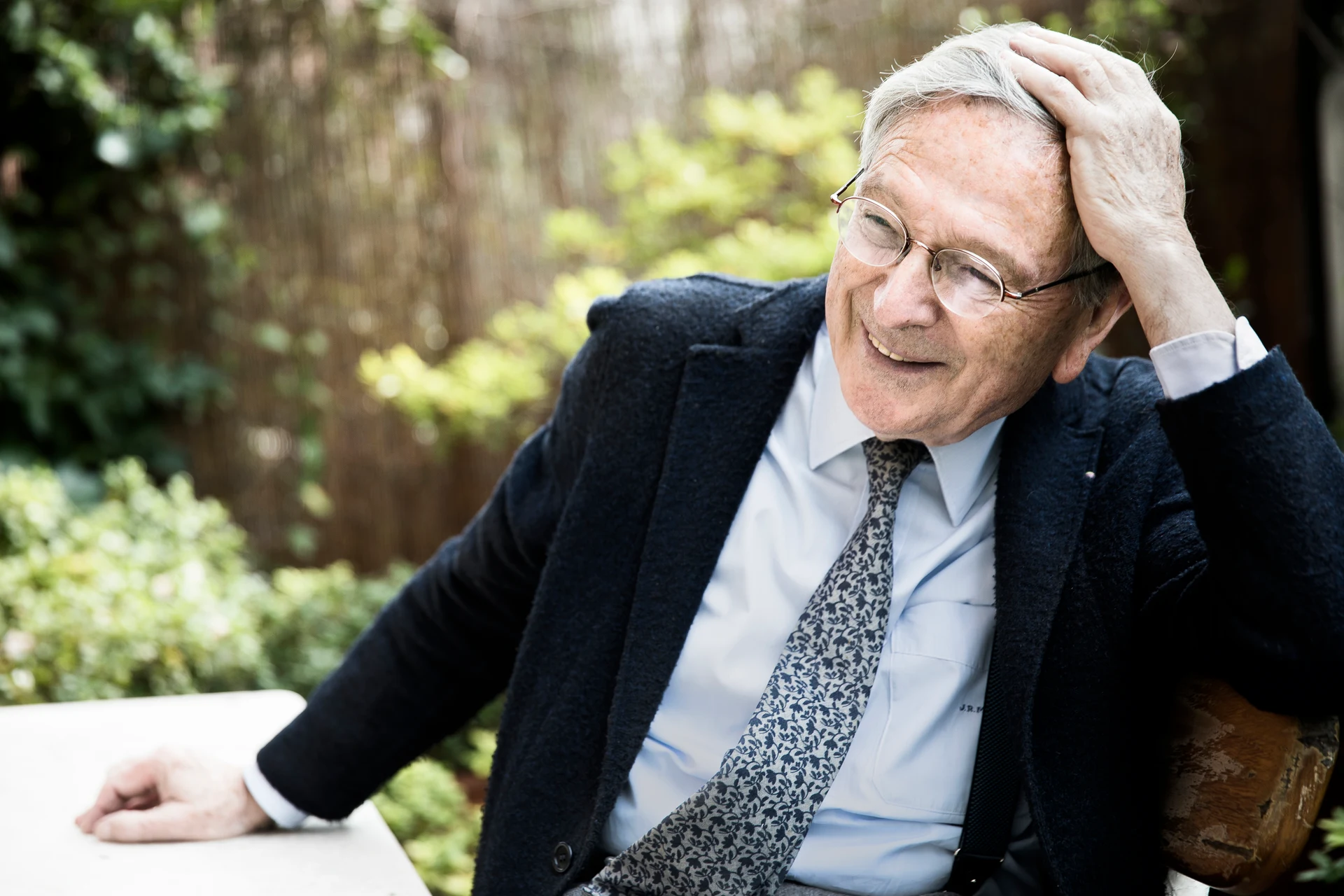
The 2012 RIBA Royal Gold Medal recipient record names Herman Hertzberger, Netherlands. The Royal Gold Medal recognises a significant contribution to the advancement of architecture. The award date belongs to the person or group named in the official archive, rather than assigning prize-winning status to every building in their practice.
Herman Hertzberger, recipient of 2012 RIBA Royal Gold Medal. This is a portrait, not a photograph of the award ceremony.
The 2011 AIA Gold Medal recipient record names Fumihiko Maki, Hon. FAIA. Fumihiko Maki studied with Kenzo Tange at the University of Tokyo, continued his education at Cranbrook and Harvard, and worked in American architectural offices. Teaching at Washington University brought his first design commission, Steinberg Hall. His official biography describes an explicitly modernist practice attentive to technology, modular construction and a widening material palette.
Fumihiko Maki, recipient of 2011 AIA Gold Medal. This is a portrait, not a photograph of the award ceremony.
The 2011 RIBA Royal Gold Medal recipient record names Sir David Chipperfield, UK. Chipperfield founded his London practice in 1985 after working with Douglas Stephen, Norman Foster and Richard Rogers. Museum projects, renovations and new civic buildings developed alongside a wider concern for the quality of the public realm.
David Chipperfield, recipient of 2011 RIBA Royal Gold Medal. This is a portrait, not a photograph of the award ceremony.
The 2010 Pritzker Architecture Prize recipient record names Kazuyo Sejima and Ryue Nishizawa. Nishizawa completed his architecture master’s degree at Yokohama National University in 1990. Alongside SANAA, co-founded with Kazuyo Sejima, he established his own office in 1997. The dated honour concerns the recipient's architectural contribution rather than the completion of one building.
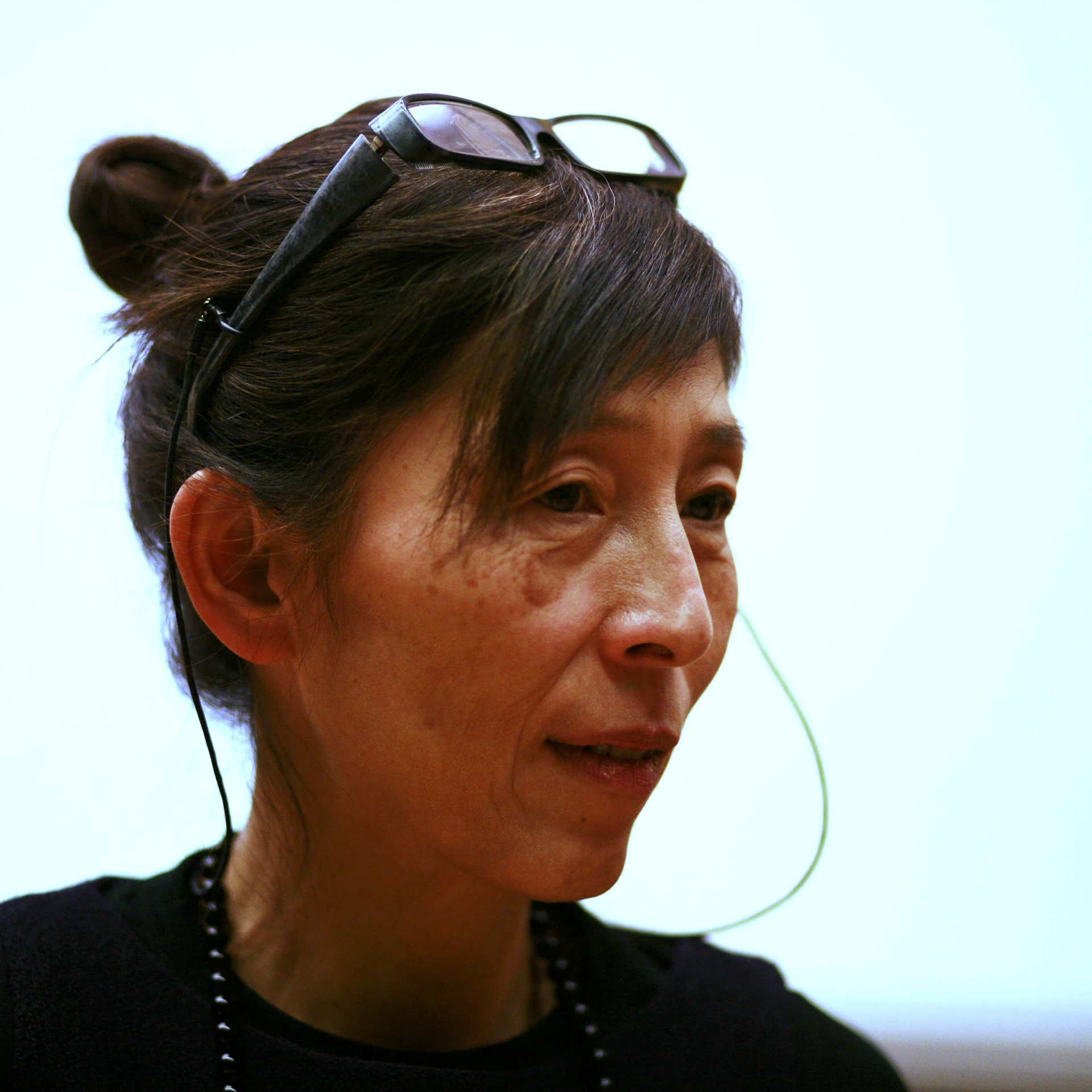
Kazuyo Sejima, one of the joint recipients of 2010 Pritzker Architecture Prize. This is a portrait, not a photograph of the award ceremony.
The 2009 Pritzker Architecture Prize recipient record names Peter Zumthor. Zumthor trained as a cabinetmaker before studying design and working in building conservation in Graubünden. He established his own practice in Haldenstein in 1979. This background in craft and existing buildings informs his carefully developed architectural work.
Peter Zumthor, recipient of 2009 Pritzker Architecture Prize. This is a portrait, not a photograph of the award ceremony.
The 2009 RIBA Royal Gold Medal recipient record names Álvaro Siza Vieira, Portugal. Siza’s practice developed in Portugal, with housing, civic buildings and urban interventions forming a broad architectural body of work. The 1992 Pritzker record traces a design process attentive to the particular conditions of each commission.
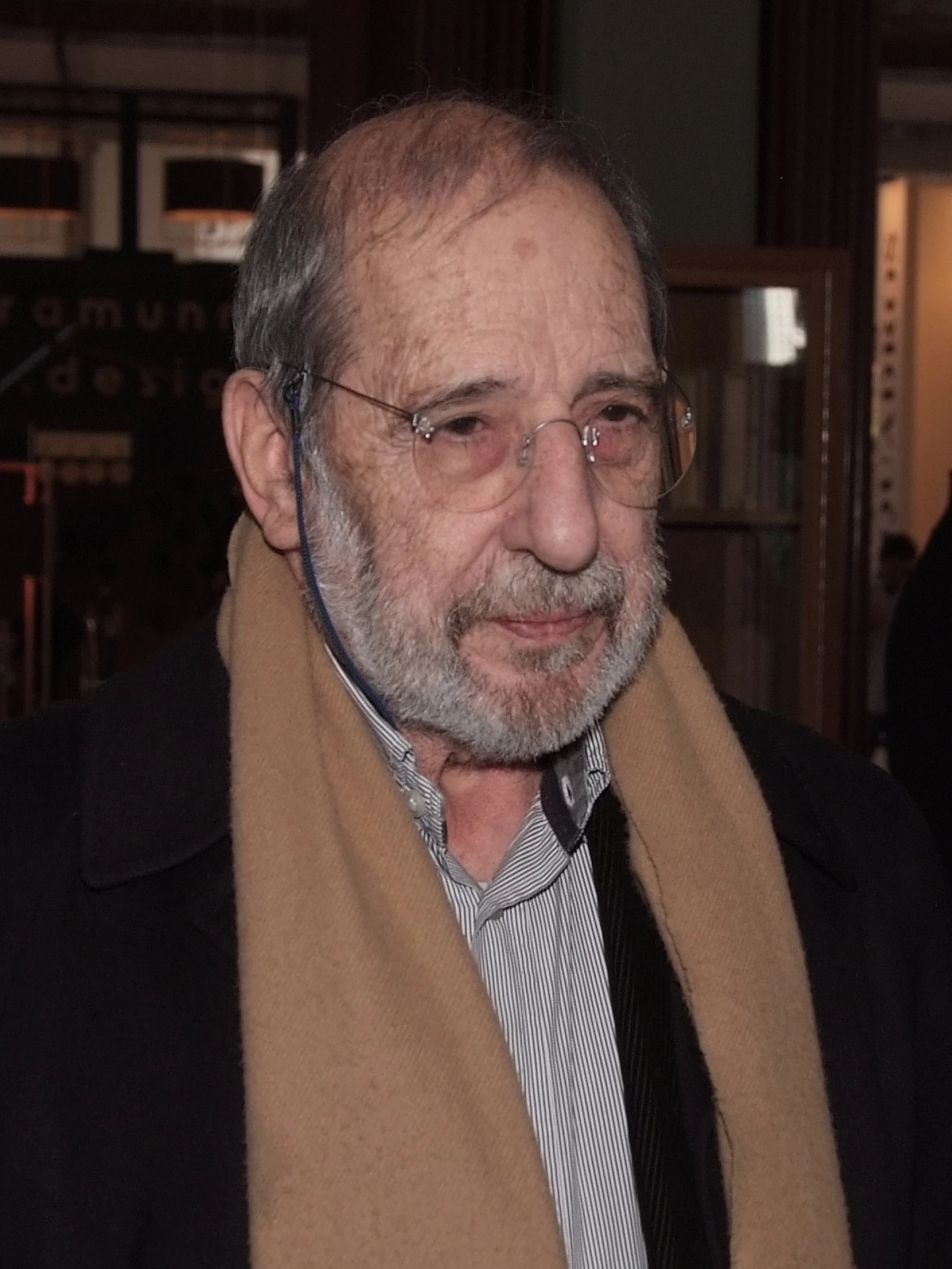
Álvaro Siza Vieira, recipient of 2009 RIBA Royal Gold Medal. This is a portrait, not a photograph of the award ceremony.
The 2008 Pritzker Architecture Prize recipient record names Jean Nouvel. Jean Nouvel develops buildings through the particular demands of programme, site and surroundings. The Institut du Monde Arabe in Paris uses light-responsive mechanical openings in its facade, connecting environmental operation with cultural expression.
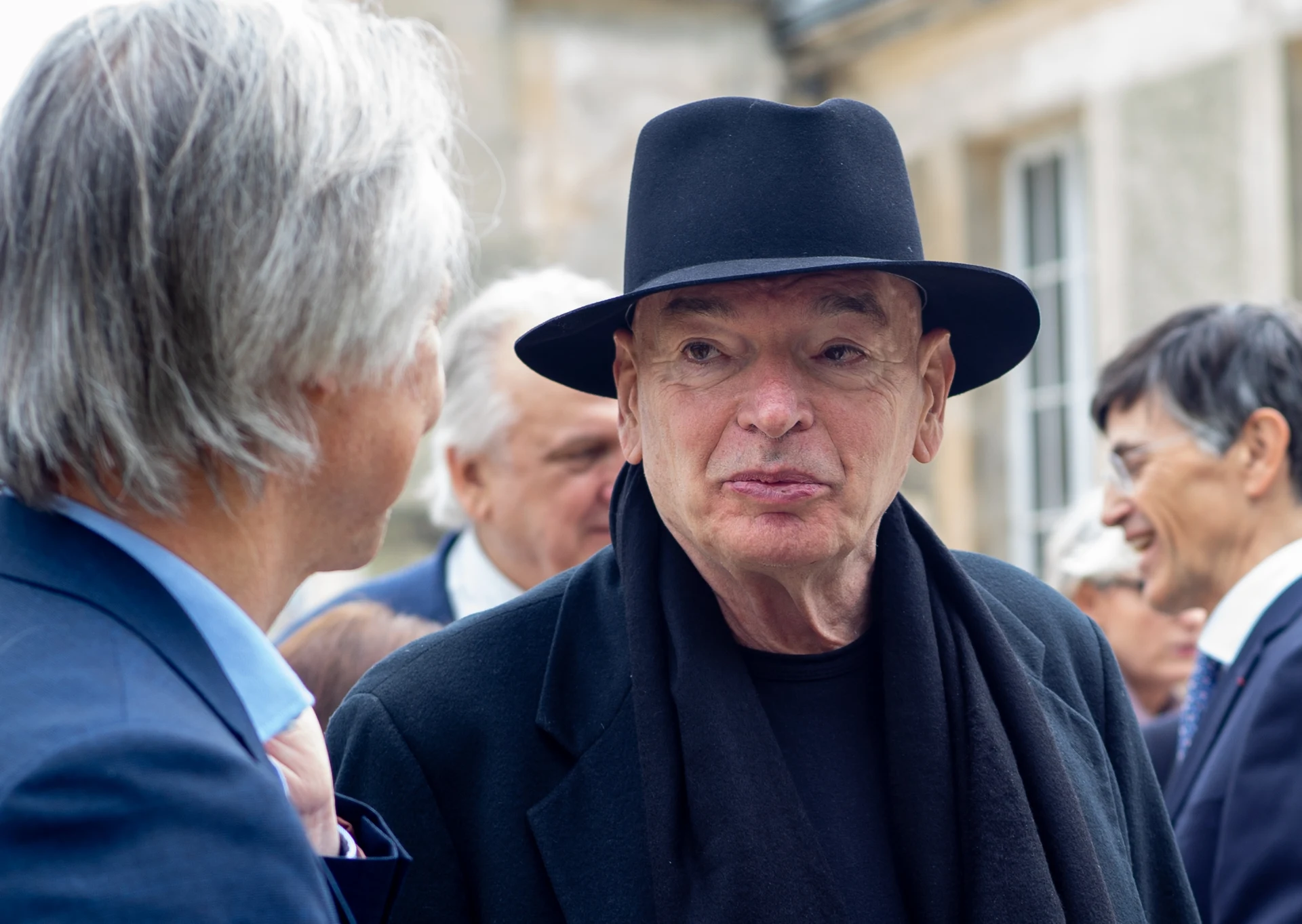
Jean Nouvel, recipient of 2008 Pritzker Architecture Prize. This is a portrait, not a photograph of the award ceremony.
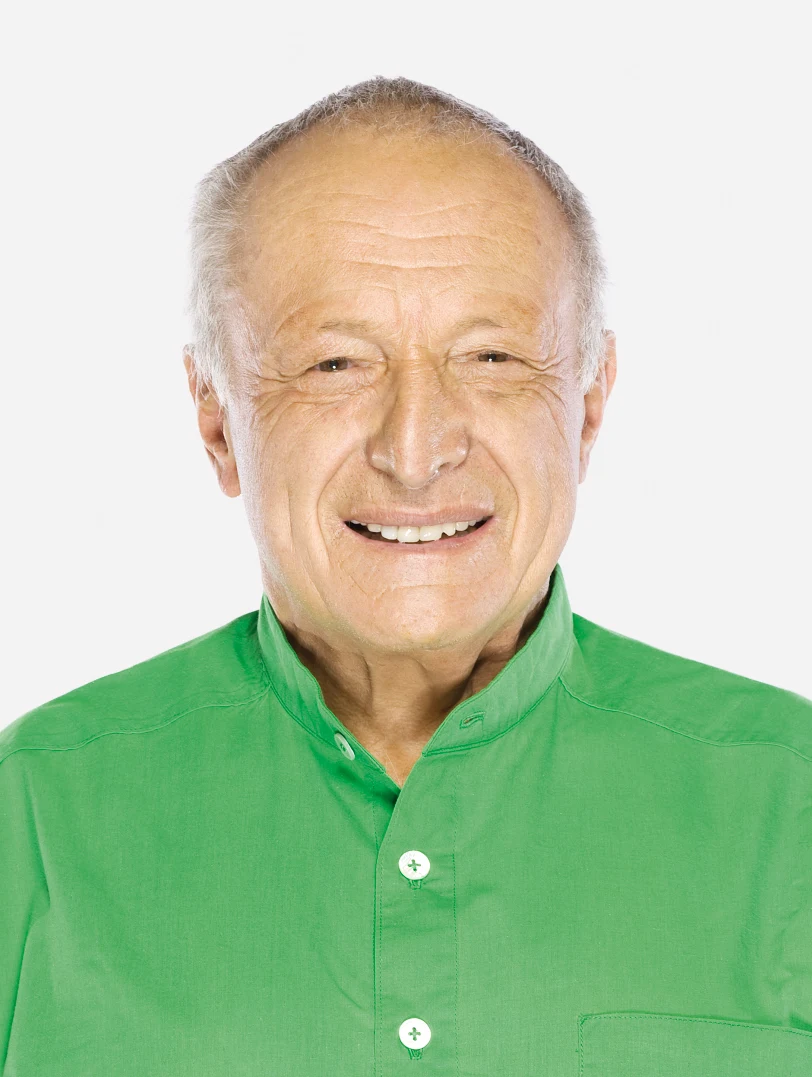
The 2007 Pritzker Architecture Prize recipient record names Richard Rogers. Rogers (1933–2021) developed an influential body of work across successive partnerships. His collaboration with Renzo Piano on the Centre Pompidou made structure and services part of a new public image for a cultural institution. He received the Pritzker Architecture Prize in 2007.
Richard Rogers, recipient of 2007 Pritzker Architecture Prize. This is a portrait, not a photograph of the award ceremony.
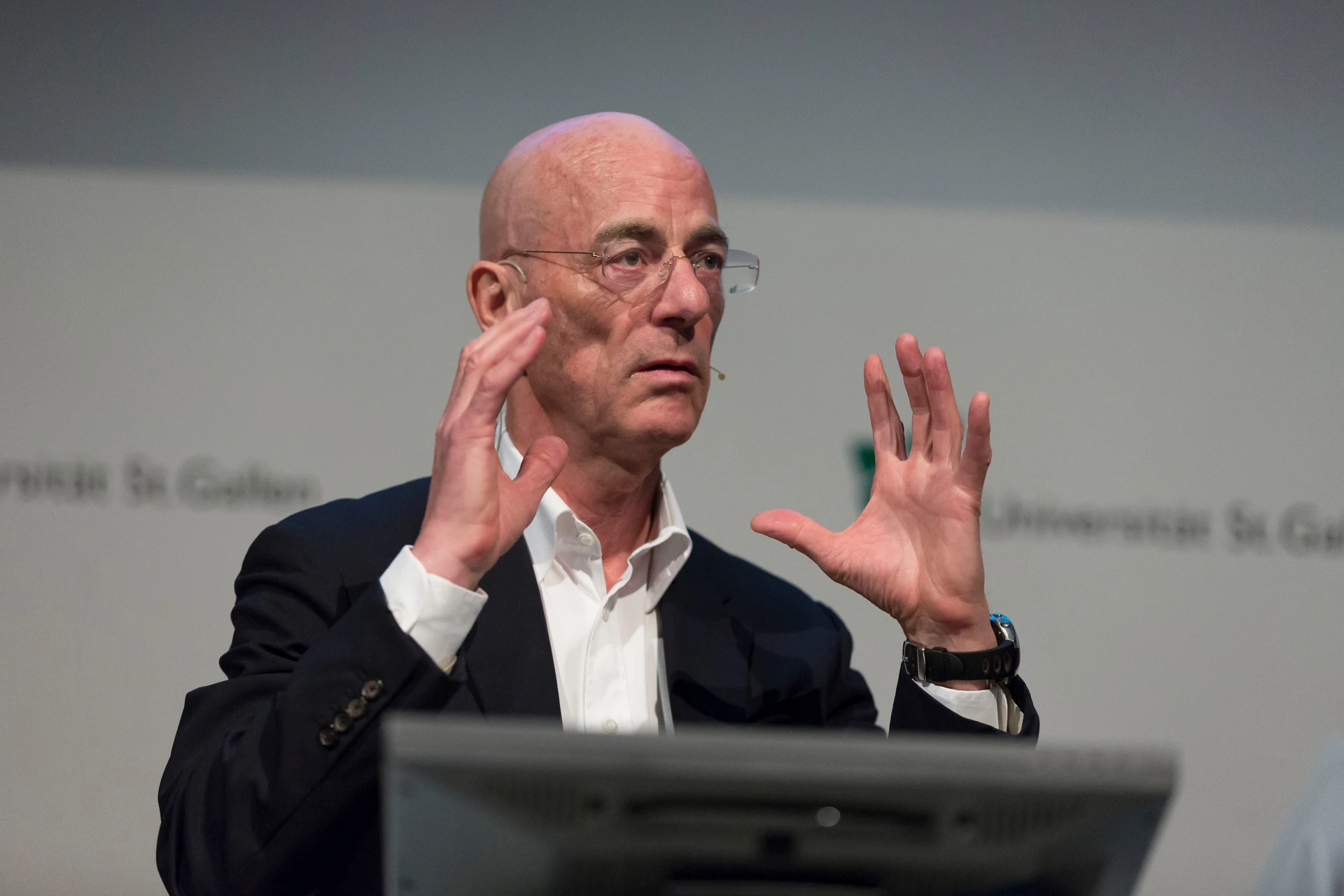
The 2007 RIBA Royal Gold Medal recipient record names Jacques Herzog and Pierre de Meuron, Switzerland. Pierre de Meuron established Herzog & de Meuron with Jacques Herzog in Basel in 1978 after studying at ETH Zürich. Their shared career encompasses architecture, teaching and collaboration with artists. The Pritzker biography connects the practice's early buildings and storage projects with later work including Tate Modern and museums.
Jacques Herzog, one of the joint recipients of 2007 RIBA Royal Gold Medal. This is a portrait, not a photograph of the award ceremony.
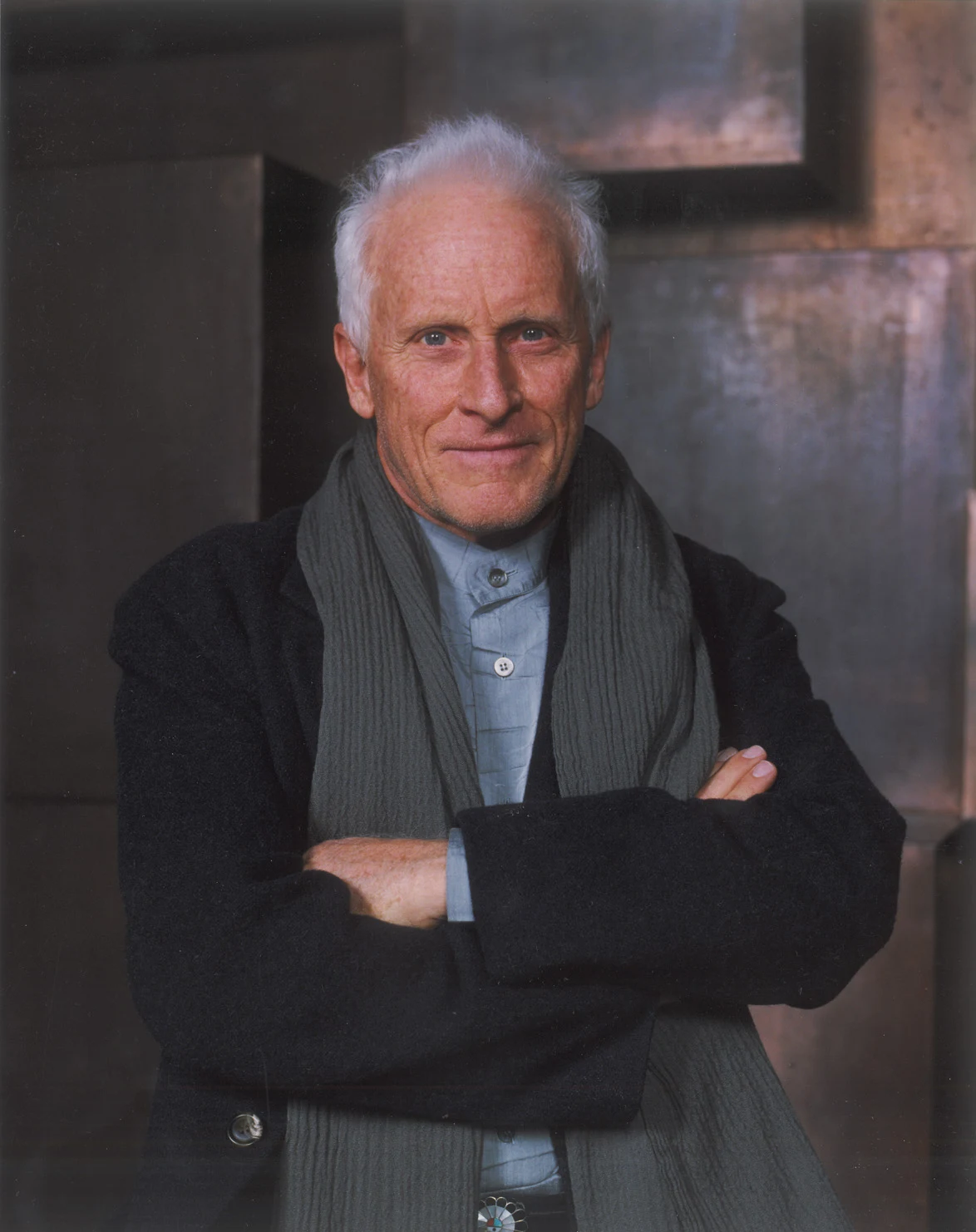
The 2006 AIA Gold Medal recipient record names Antoine Predock, FAIA. AIA describes the Gold Medal as its highest annual honour for lasting influence on architectural theory and practice. This recipient record concerns an individual or collaborative body of work, not a single building or its completion year.
Antoine Predock, recipient of 2006 AIA Gold Medal. This is a portrait, not a photograph of the award ceremony.
The 2005 Pritzker Architecture Prize recipient record names Thom Mayne. Thom Mayne founded Morphosis in Los Angeles in 1972. His official Pritzker biography describes a career encompassing architectural practice, theory, writing and teaching. The 2005 jury citation connects his work to the distinctive culture of Southern California and the experimental architectural history of Los Angeles.
Thom Mayne, recipient of 2005 Pritzker Architecture Prize. This is a portrait, not a photograph of the award ceremony.
The 2004 Te Kāhui Whaihanga NZIA Gold Medal recipient record names Ian Athfield. Ian Athfield's architectural work has been particularly influential in Wellington. The NZIA's 2004 Gold Medal profile describes a productive career in which accomplished and sometimes provocative buildings helped raise public expectations of architecture. It also discusses his connection with Christchurch and the Jade Stadium project.
Ian Athfield, recipient of 2004 Te Kāhui Whaihanga NZIA Gold Medal. This is a portrait, not a photograph of the award ceremony.
The 2004 Pritzker Architecture Prize recipient record names Zaha Hadid. Hadid (1950–2016) studied mathematics in Beirut and architecture at London’s Architectural Association. After working with OMA, she established her own practice. Painting and drawing were important tools in the development of her architectural ideas.
Zaha Hadid, recipient of 2004 Pritzker Architecture Prize. This is a portrait, not a photograph of the award ceremony.
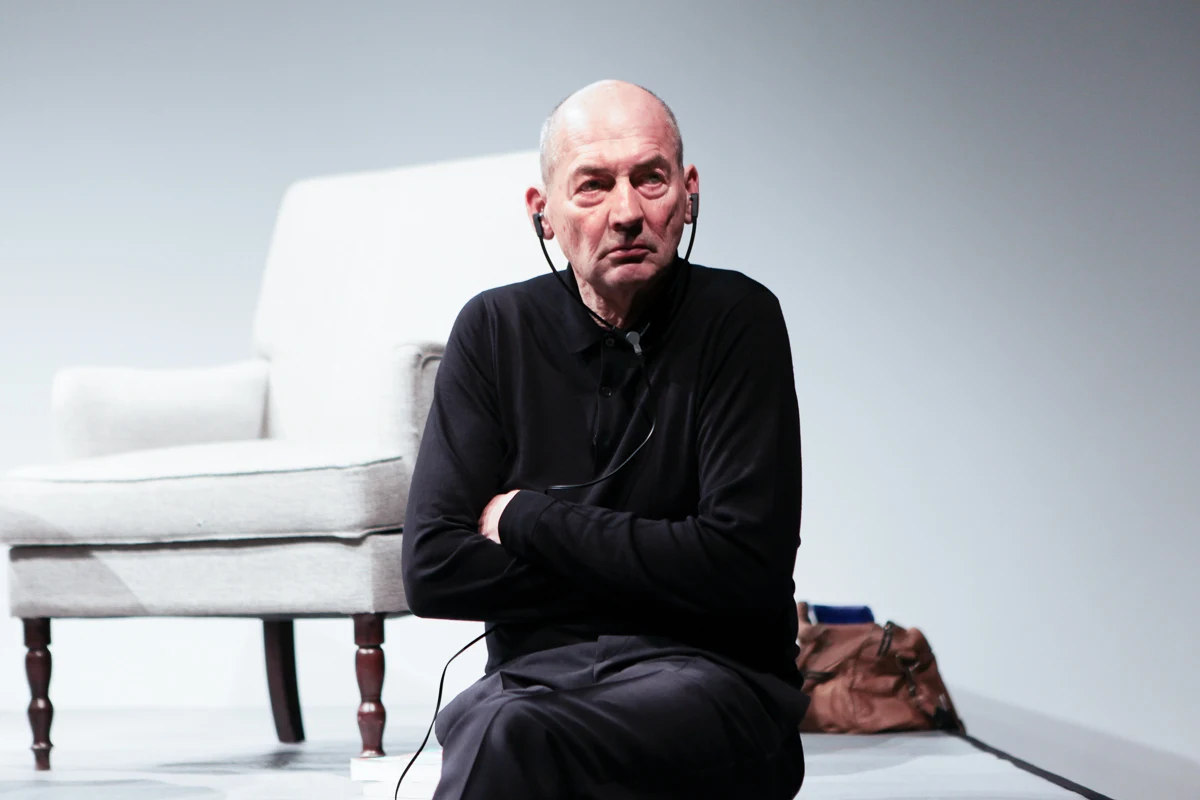
Rem Koolhaas received the 2004 RIBA Royal Gold Medal. The honour recognises sustained influence on architecture across a body of work. This entry records a career distinction; its photograph identifies a recipient rather than an award-winning building.
Portrait photograph of Rem Koolhaas; this image does not depict an award-winning building or establish the date of the award ceremony.
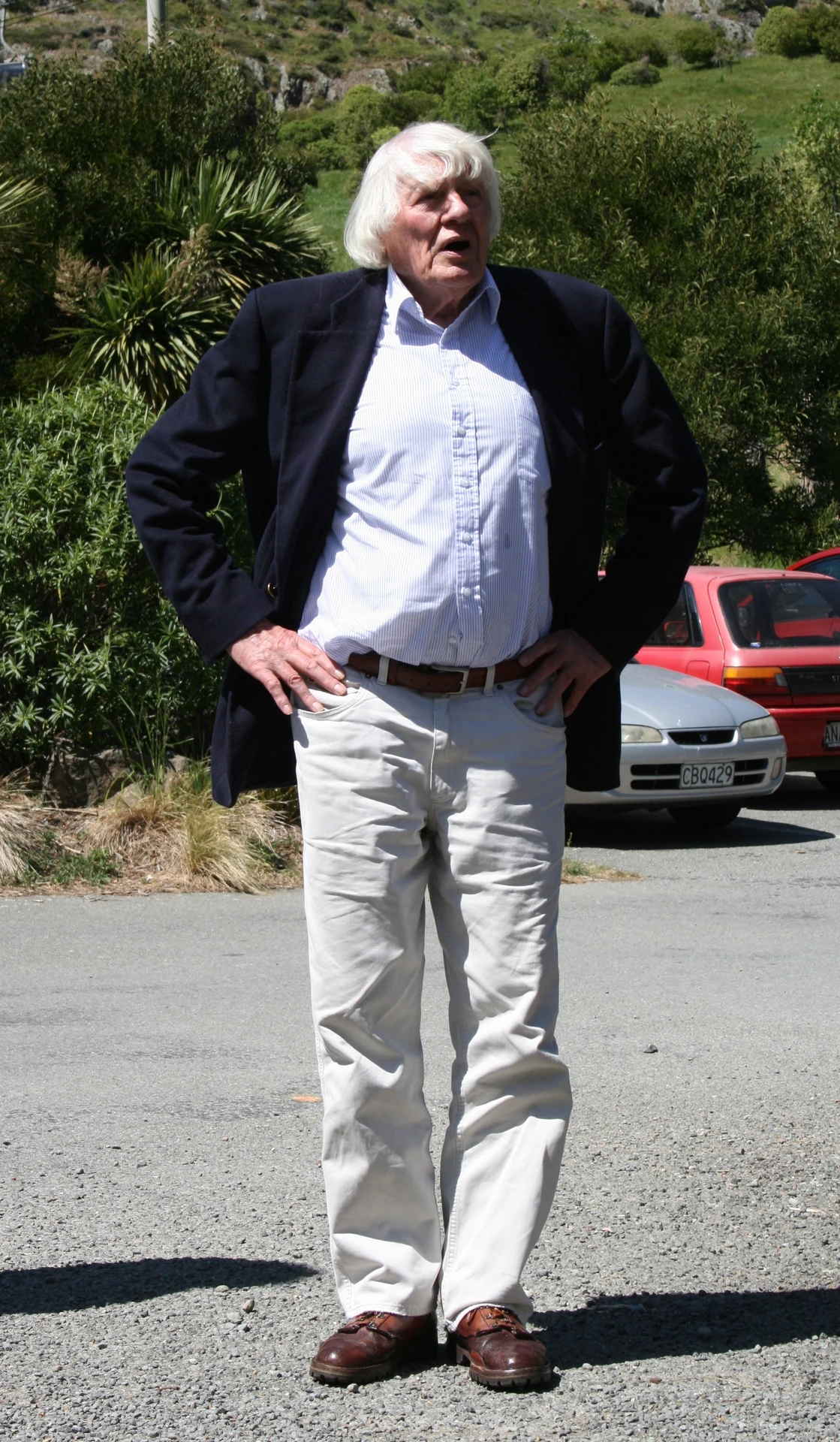
The 2003 Te Kāhui Whaihanga NZIA Gold Medal recipient record names Peter Beaven. Peter Beaven's architecture drew on family building traditions and the nineteenth-century architecture of Christchurch, including the work of Benjamin Mountfort. The NZIA's 2003 Gold Medal citation connects that respect for history with an independent design imagination.
Peter Beaven, recipient of 2003 Te Kāhui Whaihanga NZIA Gold Medal. This is a portrait, not a photograph of the award ceremony.
Rafael Moneo received the 2003 RIBA Royal Gold Medal. The honour recognises sustained influence on architecture across a body of work. This entry records a career distinction; its photograph identifies a recipient rather than an award-winning building.
Portrait photograph of Rafael Moneo; this image does not depict an award-winning building or establish the date of the award ceremony.
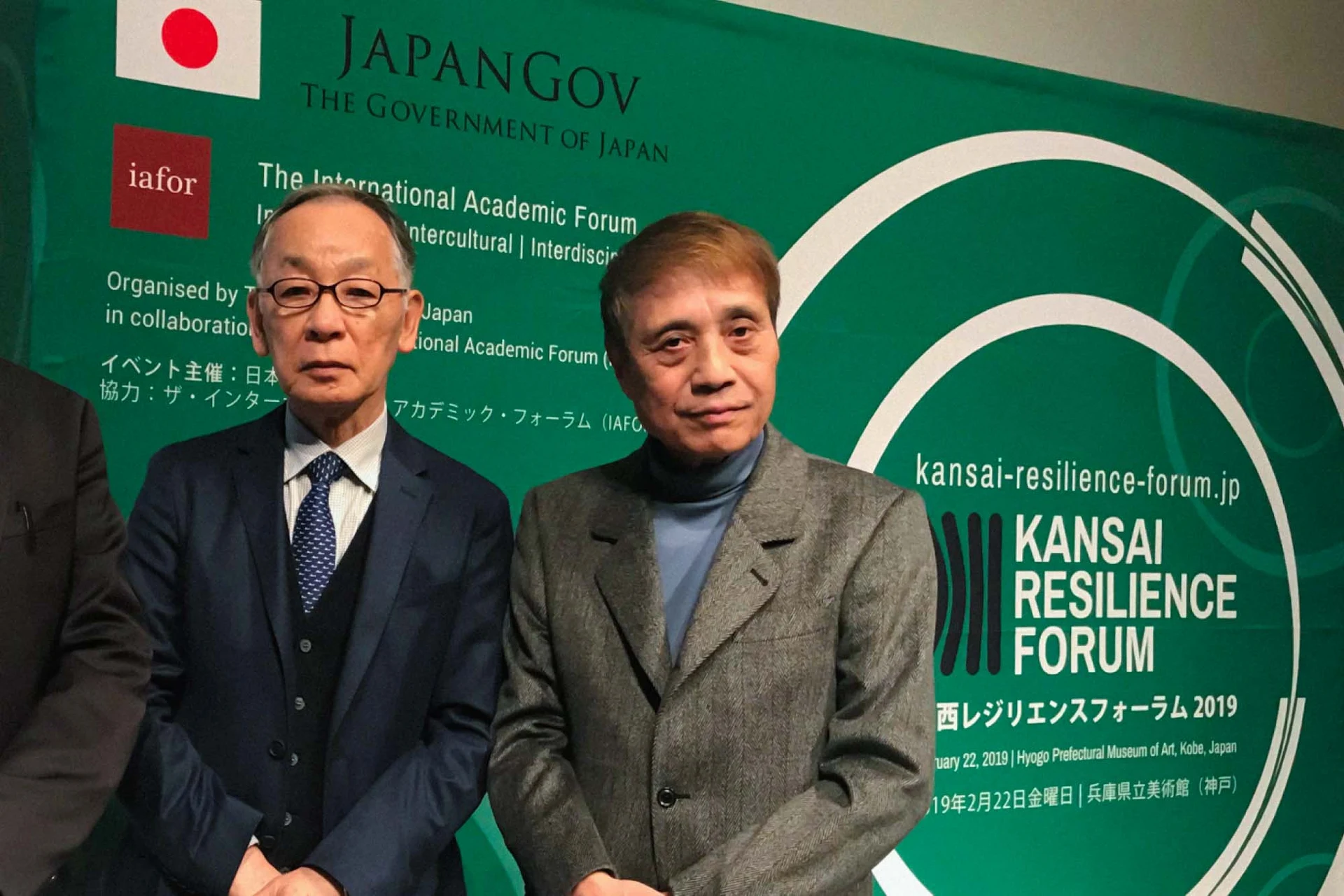
The 2002 AIA Gold Medal recipient record names Tadao Ando, Hon. FAIA. Ando developed his practice in Osaka through independent study and close observation of buildings. Houses, museums and places of worship became settings for his investigation of enclosed space and the natural world. He received the Pritzker Architecture Prize in 1995.
Tadao Ando, recipient of 2002 AIA Gold Medal. This is a portrait, not a photograph of the award ceremony.

 View larger